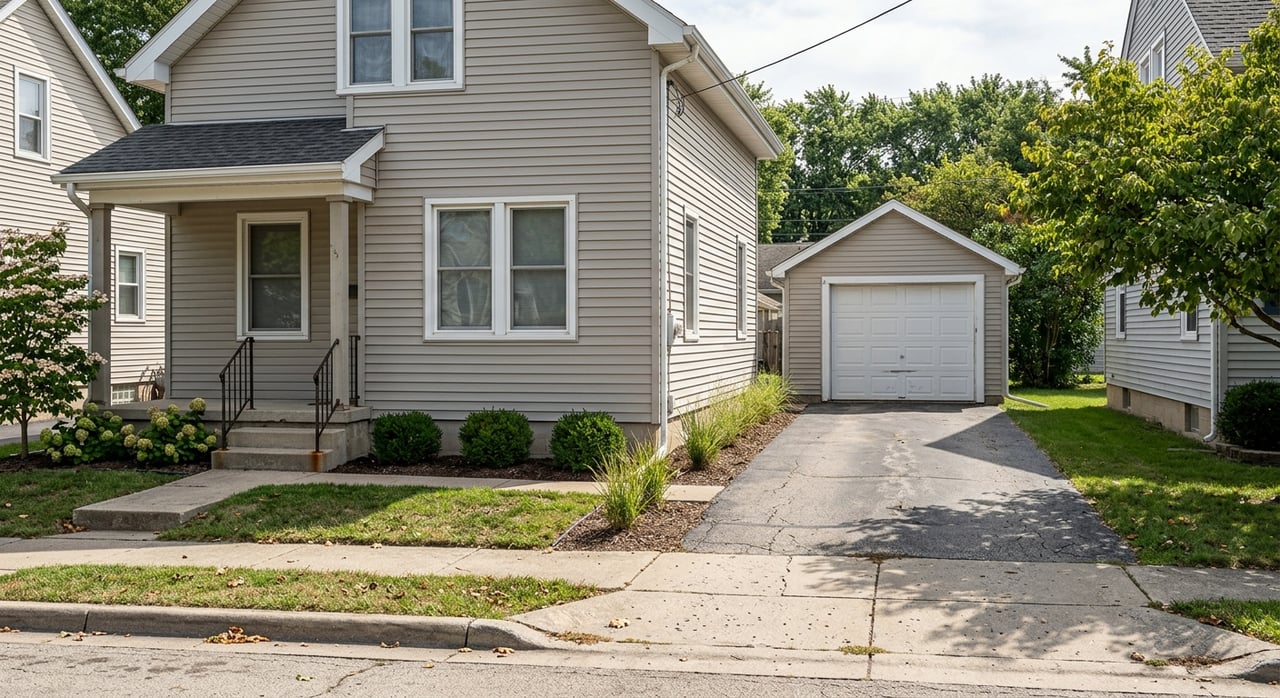
Investing In Cranberry Rental Property: What To Know
July 16, 2026
July 16, 2026
If you are thinking about buying a rental in Cranberry, you are not looking at a bargain-bin market. You are looking at a suburban area where tenants often pay for convenience, condition, and location, and where buyers need a plan before they write an offer. The good news is that Cranberry has several traits that can support a steady rental strategy if you buy the right property and underwrite carefully. Let’s dive in.
Cranberry Township has grown to an estimated population of 35,244 in 2025, which is up 6.6% since 2020. The Census Bureau also reports a median household income of $125,126, a bachelor's-or-higher attainment rate of 65.3%, and a median gross rent of $1,708. Those numbers point to a relatively affluent suburban market with a renter base that is not purely price-driven.
The township also functions as a regional employment center. Township materials note easy interstate access, more commuters traveling into Cranberry for work than leaving it, and more than 25,000 jobs with local businesses. Major employers named by the township include UPMC Lemieux Center, McKesson, Kawneer, and Mine Safety Appliances.
For you as an investor, that combination matters. A growing population, strong employment base, and commuter-friendly location can support rental demand, especially for well-maintained homes in practical locations.
Cranberry looks more like a stability-and-appreciation market than a low-cost cash-flow play. Zillow places the average home value at $458,269 and reports homes going pending in around 15 days. That means acquisition costs can be meaningful, and competition may require quick decision-making.
At the same time, local rent levels are solid. As of July 2026, Apartments.com shows average rents of about $1,545 for a one-bedroom apartment, $1,811 for a two-bedroom, and $2,089 for a three-bedroom. The same source reports average rents of $2,659 for a house and $3,029 for a townhome.
You will also see different rent numbers across platforms. Zillow shows an average rent of $1,879, while Realtor.com reports a median rent of $2,850 with 35 homes for rent. The gap is not necessarily a red flag. These platforms use different methods and product mixes, which is why property-specific rental comps matter more than any single township average.
Cranberry's development pattern gives investors an important clue. Township materials say the area historically leaned toward detached single-family subdivisions, but newer development has shifted toward apartments and townhomes. The active construction pipeline supports that trend.
Projects currently in the pipeline include Meeder Phase 1 Revised with 137 townhouse units, 22 single-family lots, and 15 crossroad apartment units, along with Reserve at Cranberry Springs, a 308-unit apartment project. Other active developments include townhouse-heavy phases at Crescent, Brookvue, and Breckenridge.
That does not mean detached homes are a poor choice. It means newer, lower-maintenance product types are becoming a larger part of the market, so your acquisition strategy should reflect how tenants actually want to live in Cranberry today.
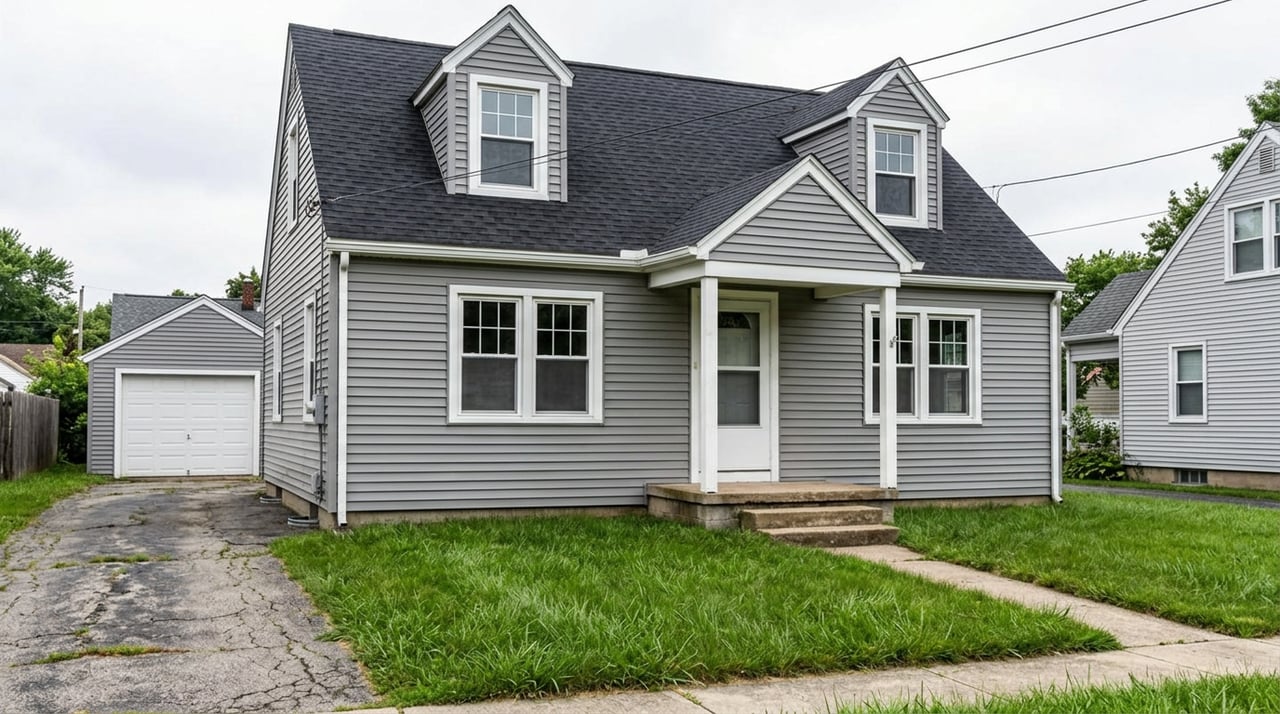
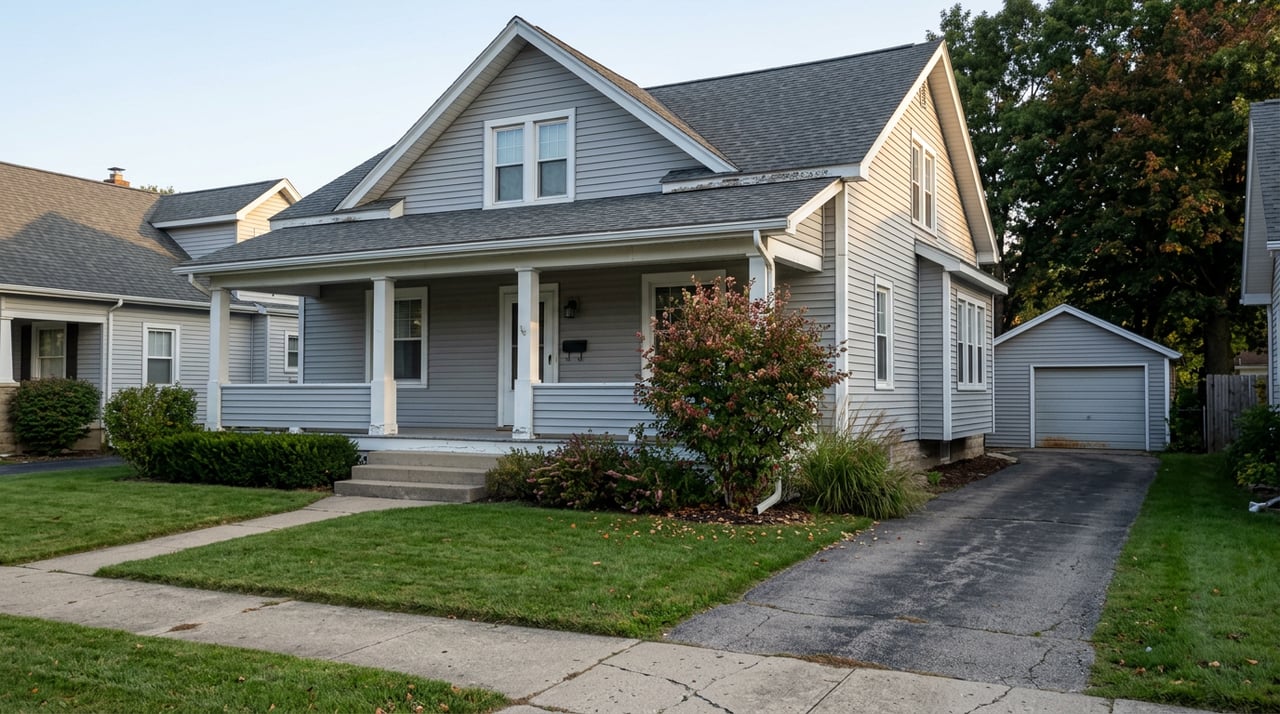
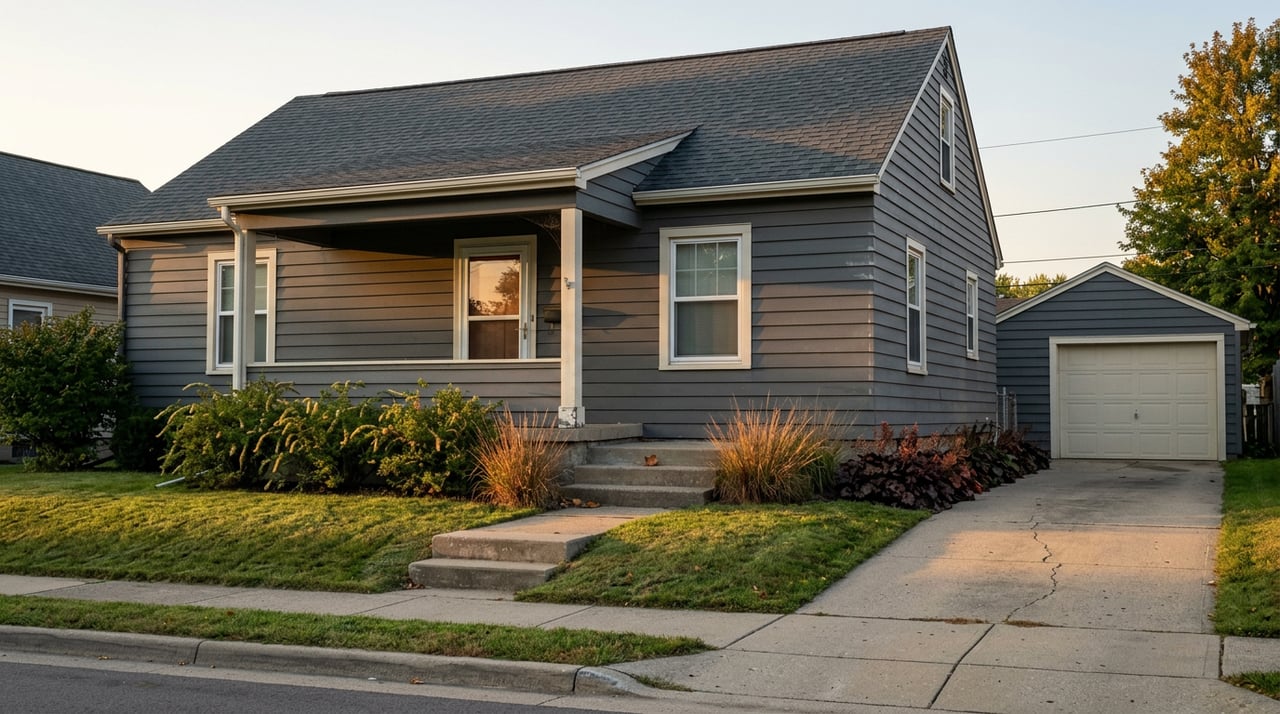
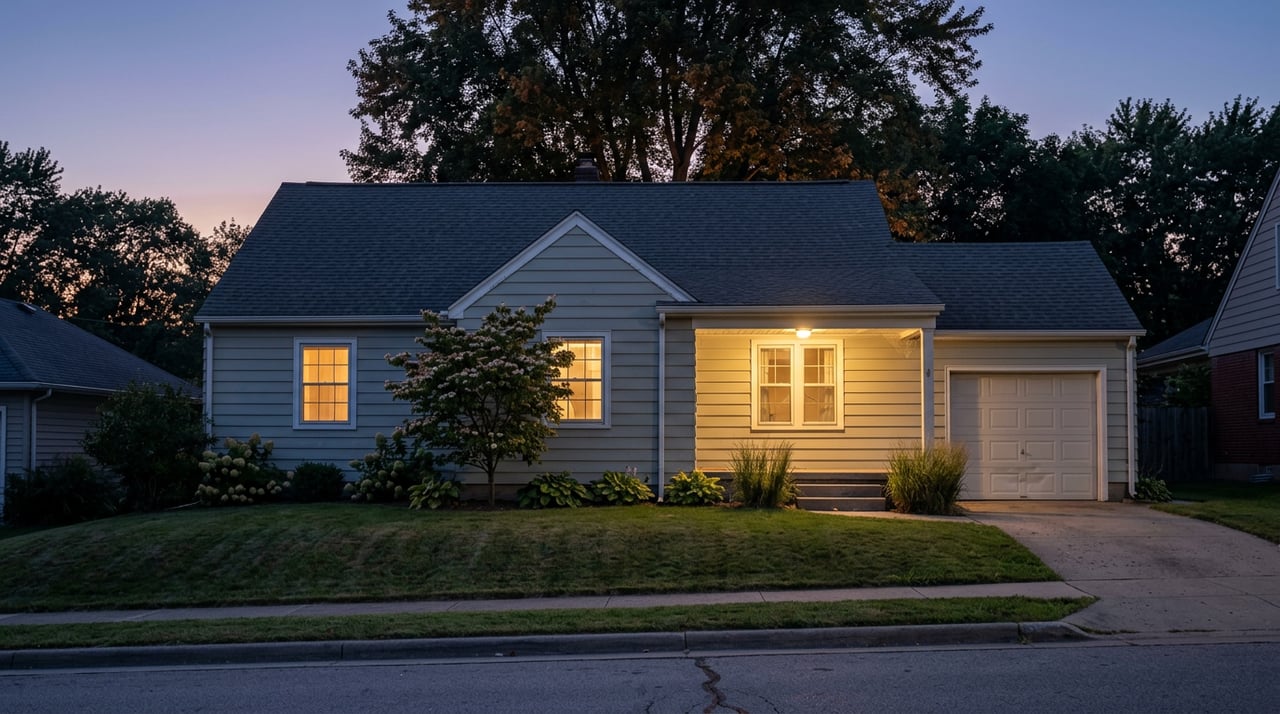
Well-kept single-family homes with more bedrooms, garage space, and usable yard area can appeal to renters who want suburban space and a traditional residential setup. In a market where owner occupancy is high at 75.3%, a quality detached rental may stand out if it is clean, updated, and easy to maintain.
These homes can also fit tenants who plan to stay longer and want more room for daily life. If you pursue this property type, focus on layout, storage, parking, and practical condition instead of over-improving for luxury finishes that may not raise rent enough to justify the cost.
Townhomes may be one of the most logical fits in Cranberry right now. The township's active development pipeline is heavily weighted toward townhomes and apartments, which suggests ongoing demand for lower-maintenance housing with modern layouts.
For an investor, townhomes can offer a useful middle ground. You may attract tenants who want more space than a standard apartment but less exterior maintenance responsibility than a detached house often implies.
If your strategy focuses on ease of turnover and simpler maintenance, apartment-style or condo-style units may deserve a close look. In a commuter-oriented market with broad retail access and a large working population, these units can appeal to renters who value convenience and updated interiors.
You should still compare HOA rules, fees, and leasing restrictions carefully before buying. A unit that looks easy on paper can become less attractive if building rules limit rental flexibility or raise your monthly carrying costs too much.
In Cranberry, tenants are likely to care about how a property fits their daily routine. This is an exceptionally drivable area and only somewhat walkable, according to Apartments.com. That means access, parking, and convenience matter.
Properties with strong highway access can have an edge because many tenants may commute or want flexible access to work, shopping, and regional travel routes. A location that saves time can be just as valuable as extra square footage.
Parking is another practical factor. Off-street parking, garages, and easy guest parking can make a real difference in a suburban market where driving is part of everyday life.
Work-from-home functionality also matters. The Census reports that 96.9% of households have broadband subscriptions, which suggests many renters expect strong internet access and layouts that can support remote or hybrid work.
When comparing investment options, pay close attention to features that support everyday use:
These are not flashy details, but they can directly affect how quickly a property rents and how satisfied a tenant feels once they move in.
Based on township and Census data, Cranberry's renter base is likely to include suburban professionals, commuting households, and renters looking for convenience and quality. The township describes itself as family-oriented and highlights parks, recreation, retail, nearby higher education options, and regional amenities as part of the community draw.
That matters because your likely tenant profile shapes what kind of property to buy and how to present it. In Cranberry, many renters may be willing to pay more for a clean, updated home in a practical location rather than simply chasing the lowest monthly price.
This can be a good market for investors who focus on condition, professional leasing, and predictable ownership costs. It may be less forgiving for outdated properties that need ongoing repairs or that are priced as if they compete with newer inventory.
One of the biggest mistakes investors make is treating township-wide rent averages as if they apply to every property. In Cranberry, that can be especially risky because rent figures vary by property type, condition, age, and location.
A three-bedroom detached home is competing in a different lane than a one-bedroom apartment. A newer townhome with modern finishes and garage parking may also command a very different rent than an older attached unit with fewer updates.
For that reason, your underwriting should focus on:
Apartments.com reports rents are up 3.5% year over year, which is encouraging, but you still want conservative numbers. Strong investing usually comes from disciplined assumptions, not optimistic ones.
In Cranberry, local diligence is not just a formality. The township's Code Administration team handles building, zoning, sign, and fire-prevention permit review, issuance, and inspection, and the Zoning Hearing Board handles variances and appeals. Before you buy, verify whether the property has any compliance, permit, or use issues that could affect your plans.
You should also review utility setup and turnover procedures. The township notes that if a rental utility account is placed in the tenant's name, a security deposit is required, and unpaid water or sewer bills can become a lien on the property. Landlords may also receive delinquency notices.
That is a practical risk-management issue. A property that looks profitable can become more complicated if you do not have a clear process for utility transfers, deposits, and move-out coordination.
Cranberry can make sense if you want a western-suburbs rental property in a market with strong household incomes, local jobs, and ongoing residential development. It may be especially appealing if you prefer stable suburban demand over a purely low-entry-price strategy.
The tradeoff is that you need to buy carefully. With average home values around $458,269 and a fast-moving sales environment, your margin for error may be smaller than in a lower-cost market.
In short, Cranberry may be a fit if you are looking for:
It may be less ideal if your main goal is chasing the highest immediate cash flow at the lowest acquisition cost.
If you are weighing a rental purchase in Cranberry, the smartest next step is to compare property-specific comps, carrying costs, and leasing potential before you commit. The LaRocca Real Estate Team can help you evaluate suburban investment opportunities across Cranberry and the western Pittsburgh suburbs with a local, data-driven approach.
Stay up to date on the latest real estate trends.
Whether you're looking to buy, sell, or just want to chat about the exciting world of Pennsylvania real estate, let's start a conversation. Reach out to us today, and let's connect to explore the possibilities.