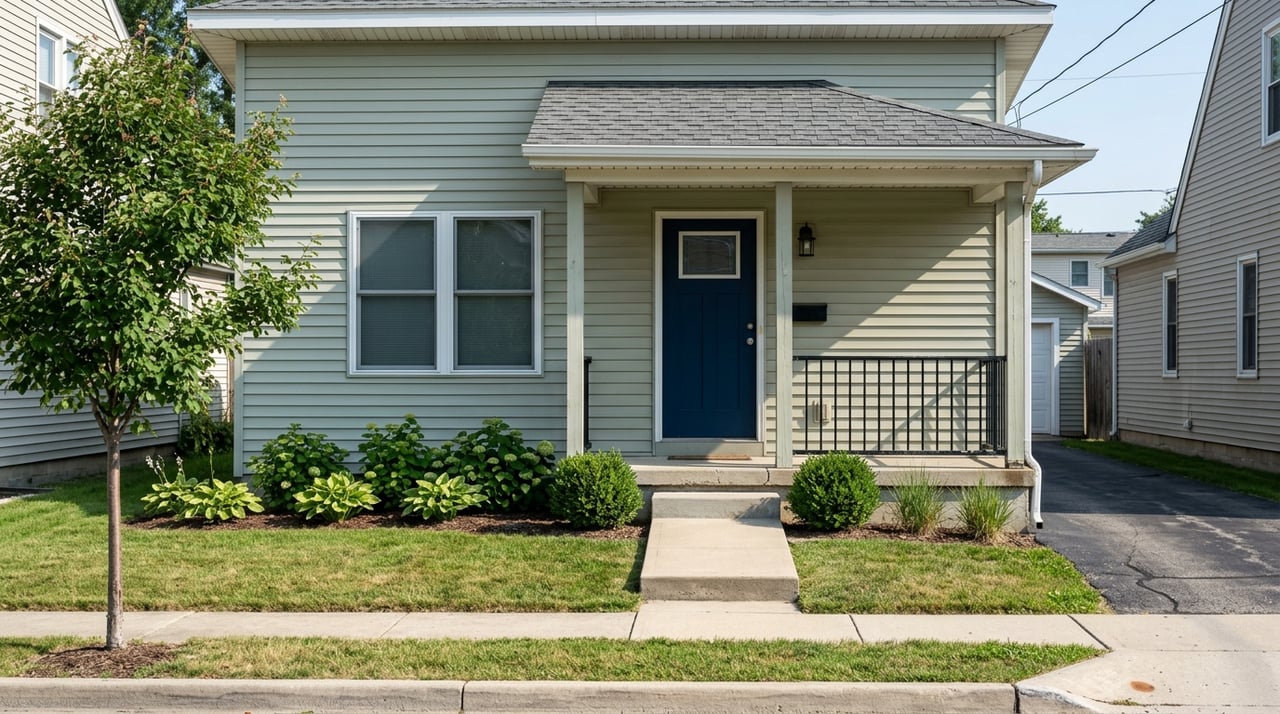
Are Carnegie PA Starter Homes the Right Move Right Now?
May 7, 2026
May 7, 2026
Wondering whether Carnegie is the best place to buy your first home on Pittsburgh’s west side? That is a fair question, especially when you are trying to balance price, monthly cost, commute options, and the kind of neighborhood feel you actually want day to day. The good news is that Carnegie makes a strong case, but the honest answer is a little more nuanced than a simple yes or no. Let’s dive in.
If you are shopping for a starter home, Carnegie stands out as a solid contender because it offers a mix of moderate pricing, varied housing types, and strong transit access into Pittsburgh. Based on recent market snapshots, Carnegie is trading in the low-to-mid $200,000s depending on which metric you look at.
That range matters more than any single number. Redfin reported a March 2026 median sold price of $260,000, Realtor.com showed a median listing price of $218,550, and Zillow’s home value index was $224,034 as of March 31, 2026. Since Redfin’s sold-price figure came from just 5 sales, it makes more sense to focus on Carnegie’s general price band than one exact monthly stat.
Carnegie is not the cheapest west-side option, but it is also not among the most expensive. Realtor.com’s March 2026 comparisons put Carnegie at $218,550, which is above Beechview at $199,900 and Westwood at $202,450, roughly in line with Crafton Heights at $224,500, and below Banksville at $247,500, Scott Township at $249,900, and Mt. Lebanon at $379,500.
What does that mean for you? Carnegie sits in the middle of the pack. If your goal is to stretch your budget as far as possible, there are slightly lower-priced options nearby, but Carnegie may offer a stronger overall balance depending on how much you value walkability and transit.
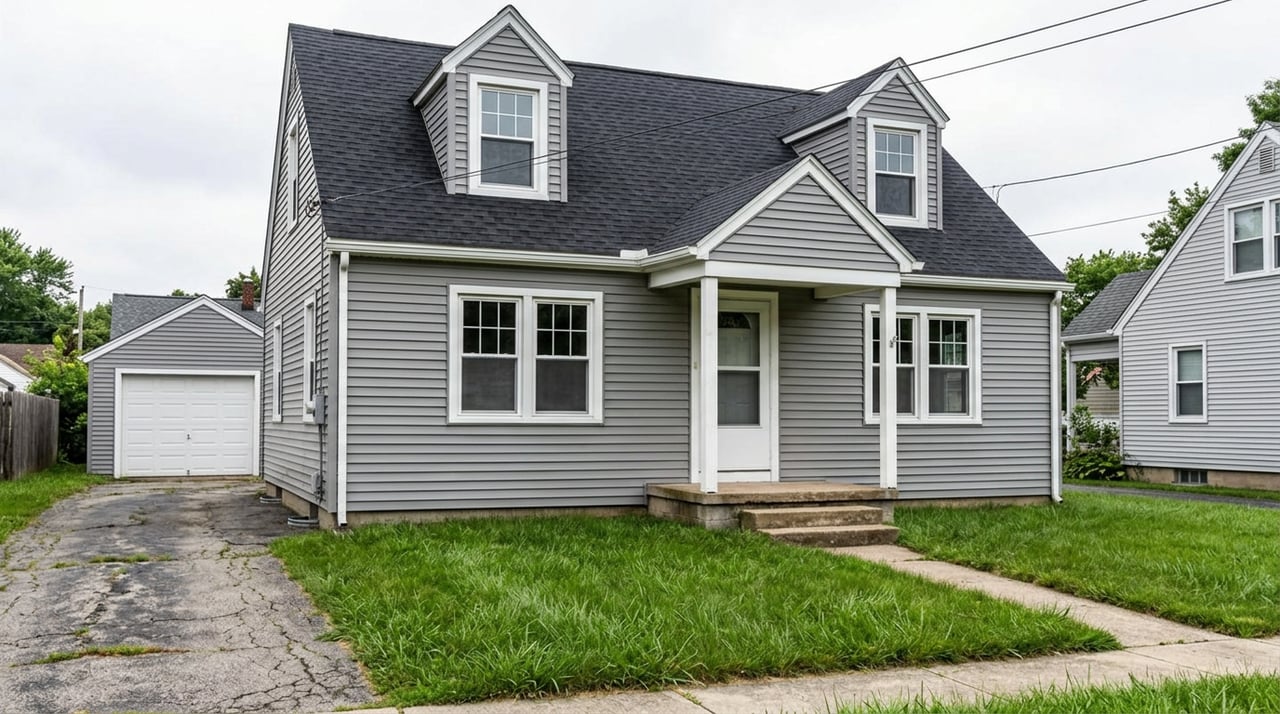
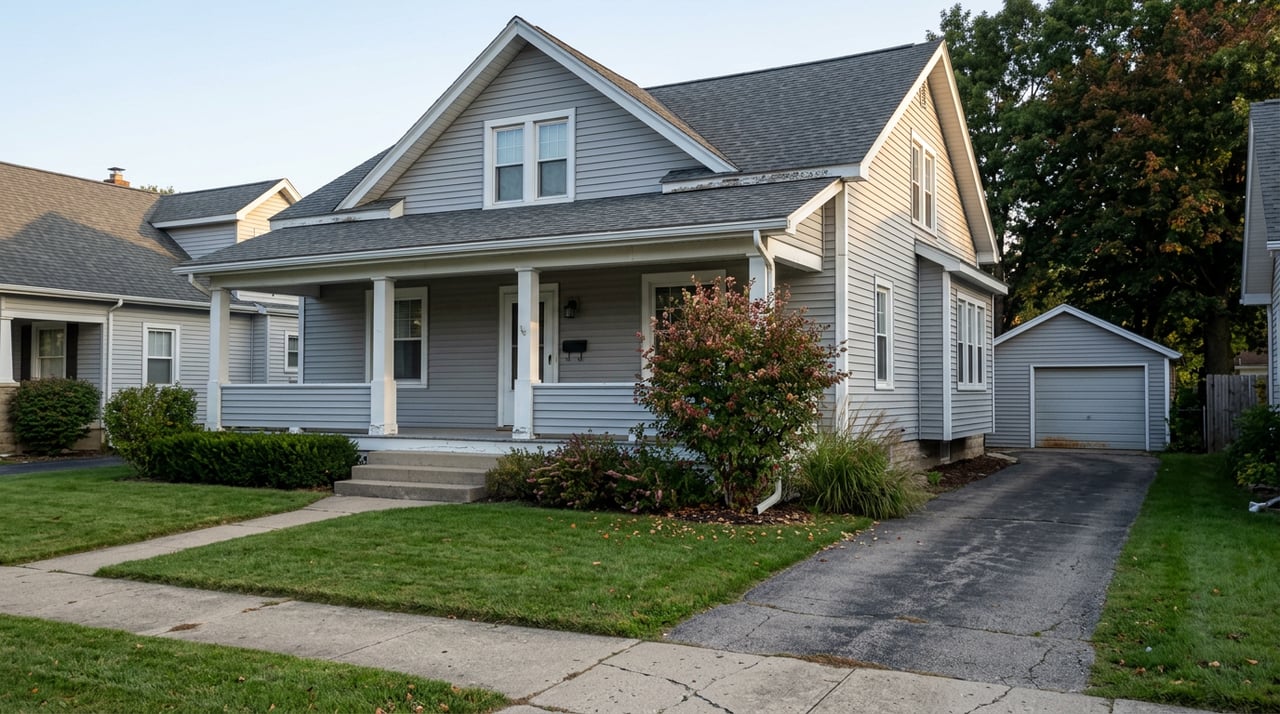
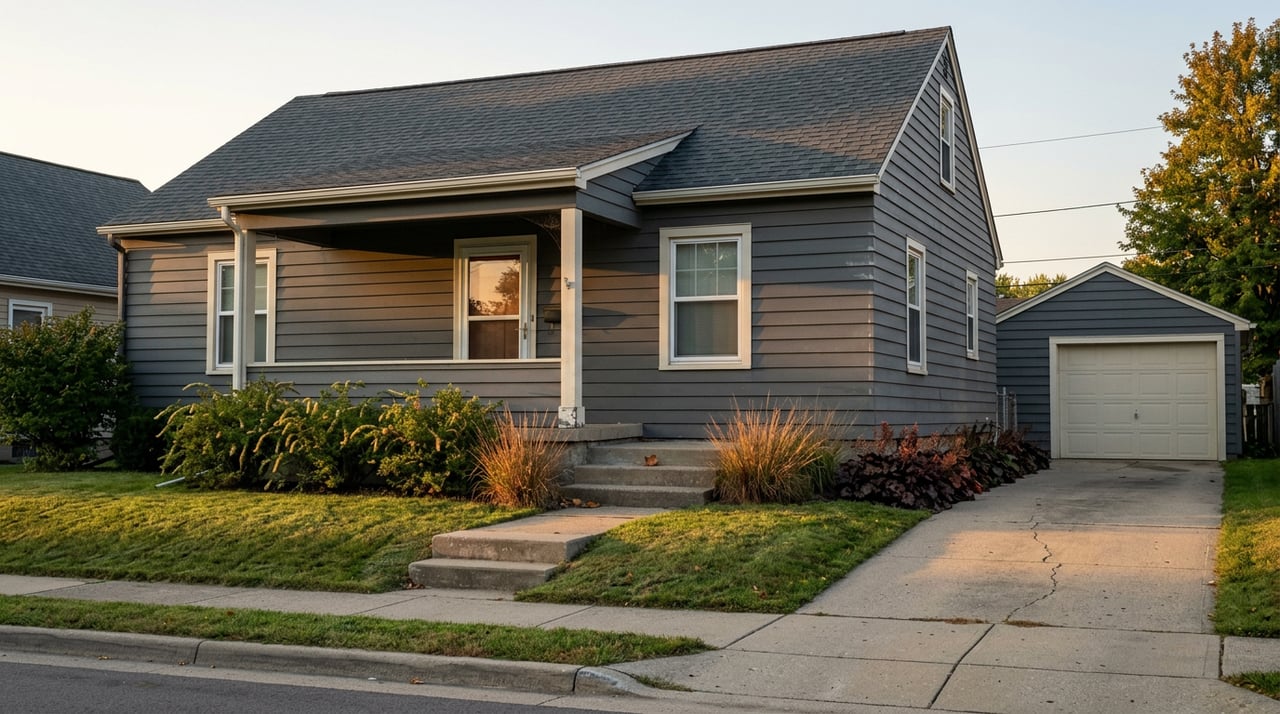
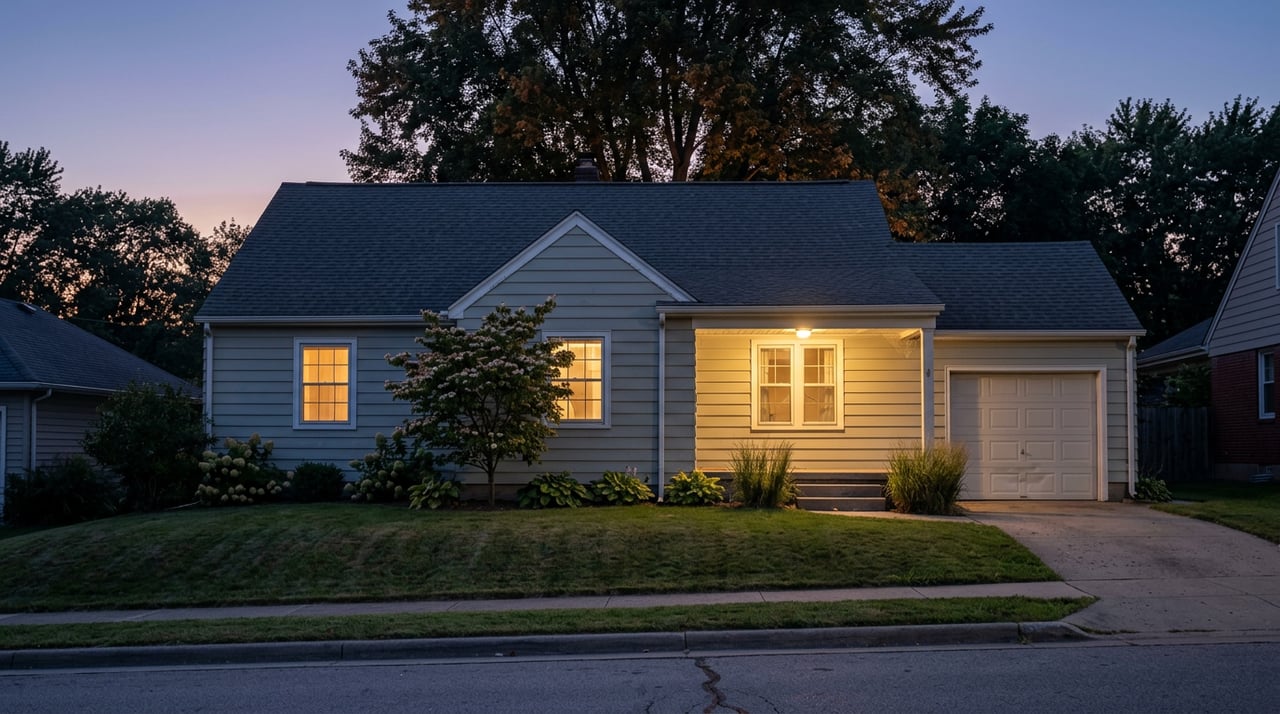
Starter-home buyers are often looking for more than just a low list price. You may want a home you can grow into for a few years, a neighborhood with daily convenience, and a commute that does not dominate your schedule. Carnegie checks several of those boxes.
The borough is compact and established, with 7,855 residents in 1.62 square miles. Census data also shows an owner-occupied housing rate of 53.5%, which helps paint the picture of a built-out community with a mix of housing and a lived-in borough feel rather than a newer large-lot suburb.
One reason Carnegie works for many starter-home buyers is that it is not limited to one type of property. The borough zoning ordinance allows one-family houses, two-family houses, townhouses, apartments, and mobile home parks in the relevant districts.
That flexibility matters if your definition of a starter home is broader than a detached house with a big yard. You may find single-family homes, but the market can also appeal to buyers who are open to attached housing or other formats that fit a first purchase more comfortably. Zillow’s recent crawl showing 29 single-family homes also supports that detached homes remain an active part of the local inventory.
Carnegie appears workable for buyers, even if it is not a market where you can expect every seller to make deep concessions. Redfin says homes receive 2 offers on average and sell in about 44 days. Realtor.com reports that homes sold for 1.11% below asking on average and describes the borough as a buyer’s market.
Put together, those numbers suggest a market with some breathing room. You may have room to negotiate on price or terms, but homes that are well priced can still move at a steady pace. For a first-time buyer, that can be a healthier environment than a market where every home triggers intense bidding.
If you are comparing Carnegie to nearby communities, taxes deserve close attention. This is one of the biggest reasons Carnegie should be evaluated as a full monthly-cost market, not just a purchase-price market.
For 2026, Carnegie Borough’s millage is 8.50, Allegheny County’s current property tax calculator uses a county millage of 6.43, and Carlynton School District’s 2025-26 real estate tax rate is 28.5082 mills. Combined, that is 43.4382 mills, or about $4,343.82 per $100,000 of assessed value and $8,687.64 per $200,000 of assessed value.
That does not mean every $200,000 sale automatically gets an $8,687.64 tax bill. In Allegheny County, the precise bill depends on the parcel record and assessed value, not just the sale price. That is why buyers should verify the specific property through the county’s tax calculator and parcel data before they get too attached to the monthly payment estimate.
Two homes with similar prices in different boroughs can come with very different ownership costs. In Carnegie, the Carlynton School District tax layer is a major part of that equation. Carnegie is in Carlynton School District, which serves Carnegie, Crafton, and Rosslyn Farms.
So if you are trying to decide whether Carnegie is a better value than another west-side location, you need to compare price plus taxes, not price alone. That is one of the smartest ways to judge whether a starter home will still feel comfortable after closing.
Carnegie’s edge is not just about price. It is also about how the borough functions in everyday life. Walk Score rates Carnegie at 81 out of 100 and labels it Very Walkable.
That supports what many buyers want from a starter-home location: the ability to handle some errands without needing to drive everywhere. In a region where many communities are more car-dependent, that can make Carnegie feel especially convenient.
Transit is one of Carnegie’s strongest points in this conversation. Pittsburgh Regional Transit’s G2 West Busway-All Stops route runs through Downtown, Sheraden, Ingram, Crafton, and Carnegie. The Idlewood Park and Ride in Carnegie is served by that route, with peak-hour service about every 8 minutes.
The Route 31 Bridgeville schedule also includes Carnegie stops on Washington Avenue at Academy Street. If your job, routine, or lifestyle benefits from direct transit access into Pittsburgh, Carnegie has a clear advantage over some nearby options.
Livability is often what turns a decent starter-home market into a place you actually want to stay for a while. Trust for Public Land reports that 58% of Carnegie residents live within a 10-minute walk of a park.
That stat does not tell the whole story, but it adds to the broader picture. Combined with the borough’s walkability and transit connections, it suggests Carnegie offers a compact setting where convenience is part of the value.
The most honest answer is that Carnegie is one of the better contenders, not the automatic winner for everyone. If you only care about the lowest list price, Beechview or Westwood may catch your eye first. If you want a similar price point, Crafton Heights is also worth watching. If you are comparing higher-priced west-side markets, Carnegie may look more attainable than places like Banksville, Scott Township, or Mt. Lebanon.
Where Carnegie really stands out is in the balance it offers. You get mid-pack pricing, an established borough setting, multiple housing types, strong walkability, and notably good west-side transit access. For many first-time buyers, that combination is hard to ignore.
Carnegie may be a strong fit if you are looking for:
It may be less ideal if your top priority is finding the absolute lowest list price or minimizing property taxes as much as possible.
If Carnegie is on your list, it helps to look beyond headline prices. A smart comparison should include:
That kind of side-by-side review gives you a much clearer picture of true affordability and day-to-day fit. It also helps you avoid overvaluing a lower list price or undervaluing a better-located home.
If you are weighing Carnegie against other west-side communities, local context matters. The right move is not always the cheapest home on paper. It is the home and location that fit your budget, commute, and lifestyle without creating avoidable monthly strain.
If you want help comparing Carnegie with other west-side starter-home options, the LaRocca Real Estate Team can help you evaluate pricing, taxes, and neighborhood trade-offs with a local, data-driven approach.
Stay up to date on the latest real estate trends.
Whether you're looking to buy, sell, or just want to chat about the exciting world of Pennsylvania real estate, let's start a conversation. Reach out to us today, and let's connect to explore the possibilities.