Pittsburgh vs Suburbs Living: Which Lifestyle Suits You?
May 14, 2026
May 14, 2026
Trying to decide between city living and the western suburbs around Pittsburgh? You are not alone. For many buyers and movers, the real question is not just where you can afford to live, but how you want your days to feel. This guide breaks down the lifestyle tradeoffs between Pittsburgh and key western suburban areas so you can narrow your search with more confidence. Let’s dive in.
The biggest difference comes down to density, housing style, and daily rhythm. Pittsburgh is far denser than nearby western suburban areas, with 5,471.3 people per square mile across 55.38 square miles of land. The city also has a 47.7% owner-occupied housing rate, a median owner-occupied home value of $205,800, and a median gross rent of $1,261.
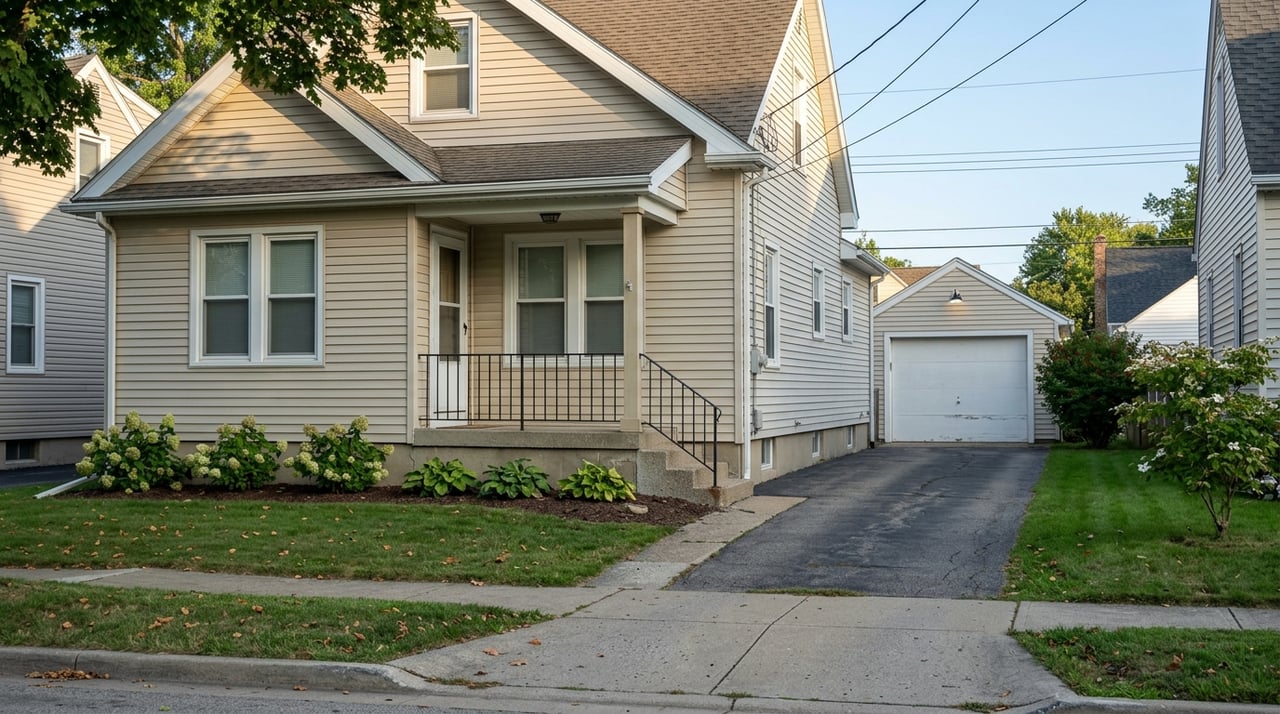
By comparison, nearby suburban options are much less dense and more owner-occupied. Moon Township has 1,140.5 people per square mile and a 78.1% owner-occupied housing rate, while Pine Township has 865.8 people per square mile. In practical terms, that often means more separation between homes, more yard space, and a quieter day-to-day setting, though exact lot size still depends on the property and street.
If you want walkability, a denser housing pattern, and easier access to entertainment districts, Pittsburgh may fit you best. The city offers more rental options and a different pace than the western suburbs. That can be a strong match if you like having more activity close by.
It is also worth noting that Pittsburgh’s nightlife is concentrated in specific neighborhoods, not spread evenly across the entire city. Visit Pittsburgh highlights Lawrenceville as a major arts and dining destination with active nightlife, while the South Side Flats stand out for bars and live music along East Carson Street. So when you choose city living, you are often choosing proximity to certain walkable districts rather than just choosing a downtown commute.
Pittsburgh’s average commute to work is 23.1 minutes. That is similar to Robinson Township and shorter than Moon Township and Pine Township averages. If your daily routine depends on getting across town efficiently, the exact neighborhood still matters, but the city can offer a practical balance between access and activity.
For households focused on public school boundaries, Pittsburgh Public Schools serves about 20,000 students across 54 schools. Because the district is large, your housing search may narrow quickly once you know which part of the city best fits your routine, housing style, and commute needs.
The western suburbs are not all the same. Some areas are closer-in and convenience-driven, while others offer more space and a more residential pace. If you are leaning suburban, it helps to compare each area by commute, housing costs, taxes, and how the community feels on the ground.
Moon Township often appeals to buyers who want a suburban setting with practical access points. Moon Area School District says the community is about 15 miles from Pittsburgh and minutes from Pittsburgh International Airport. That can be especially useful if your work or travel schedule depends on quick airport access.
Moon’s median owner-occupied home value is $293,000, and its median gross rent is $1,215. The average commute is 28.2 minutes. The township millage rate is 4.28, and the Moon Area School District millage rate for 2024-25 is 24.5467.
Taken together, Moon tends to fit buyers who want a more predictable suburban routine, a higher owner-occupied housing share, and convenient regional access. It can be a strong option if you want some breathing room without feeling too disconnected from Pittsburgh.
Robinson Township has a different suburban feel. Montour School District says the area is about 8 miles from downtown Pittsburgh and 9.7 miles from the airport. That closer-in location often makes Robinson appealing if you want suburban housing but still want faster access to city job centers and major roadways.
Robinson’s median owner-occupied home value is about $293,200, and its median gross rent is $1,688. The average commute is 23.5 minutes, which is close to Pittsburgh’s city average. That mix gives Robinson a convenience-driven profile for buyers and renters who want suburban living without as much tradeoff on travel time.
Sewickley stands apart because it feels more like a small, walkable borough than a typical spread-out suburb. The borough is part of Quaker Valley School District, and Quaker Valley says it is about 12 miles northwest of Pittsburgh. Sewickley Borough’s event calendar and Light Up Night programming support the idea of a community centered around main-street activity and seasonal gatherings.
That does not make Sewickley a nightlife district like parts of Pittsburgh. Instead, it suggests a more village-like social rhythm. If you want a smaller-scale, walkable setting with a strong sense of place, Sewickley may be worth a closer look.
Wexford is a little different because it is not a single municipality. Apple Maps identifies Wexford as an unincorporated community in Allegheny County, which means taxes and school boundaries depend on the exact address. That is an important detail if you are comparing monthly costs or trying to target one school district over another.
North Allegheny School District serves Marshall, McCandless, Franklin Park, and Bradford Woods, and lists a 2025-26 millage of 19.7400. Pine Township is a useful benchmark for the broader Wexford corridor, with 17.0 square miles of land, 865.8 people per square mile, a median home value of $579,700, a median gross rent of $2,134, and an average commute of 25.9 minutes. In general, the broader Wexford area tends to fall into a more space-oriented and higher-priced suburban tier.
Lifestyle matters, but budget shapes the shortlist. Pittsburgh’s median owner-occupied home value is $205,800, which is lower than Moon Township at $293,000 and Robinson Township at about $293,200. Pine Township, which helps benchmark the broader Wexford area, is much higher at $579,700.
Rents also vary meaningfully. Pittsburgh’s median gross rent is $1,261, Moon’s is $1,215, Robinson’s is $1,688, and Pine’s is $2,134. If you are renting before buying, or comparing the monthly cost of staying flexible versus purchasing, those differences can have a real impact on your options.
Average commute times are a useful shortcut when comparing city and suburb choices. Pittsburgh averages 23.1 minutes to work, Robinson 23.5, Pine 25.9, and Moon 28.2. These are area-wide averages, not guaranteed drive times, but they help show the tradeoff between space and travel.
In simple terms, Moon and Pine often exchange more land and more house for a somewhat longer average commute. Robinson tends to be the more convenience-oriented suburban option. Pittsburgh can make sense if you want to stay closer to denser employment and entertainment areas.
This is where many buyers need to slow down. In Allegheny County, assessed values use a 2012 base year, and the county notes that assessed values are not the same as current market values. So if you are estimating monthly ownership costs, it is important to review the exact address rather than rely on broad assumptions.
Pittsburgh says its 2026 city millage is 9.67 mills, and its tax structure separates city, Pittsburgh School District, and Carnegie Library levies. Moon Township lists a 4.28 township millage, Moon Area School District lists 24.5467 mills for 2024-25, Quaker Valley lists 22.0750 mills for 2025-26, and North Allegheny lists 19.7400 mills for 2025-26. Since municipal and school tax combinations can vary from one area to another, checking the specific property is the safest move.
If you feel torn, start with your daily routine instead of starting with a map. Ask yourself where you want to spend your time, how much space you need, and how much driving you are willing to do each week. That usually points you toward the right search area faster than scrolling listings does.
Here is a simple framework:
The right choice is not about which area is better overall. It is about which one fits your budget, commute, housing priorities, and daily lifestyle.
If you are weighing Pittsburgh against Moon, Robinson, Sewickley, Wexford, or other nearby suburbs, the best next step is to compare specific neighborhoods and properties through the lens of your routine. The LaRocca Real Estate Team can help you sort through the tradeoffs, understand local market differences, and build a search plan that fits the way you want to live.
Stay up to date on the latest real estate trends.
Whether you're looking to buy, sell, or just want to chat about the exciting world of Pennsylvania real estate, let's start a conversation. Reach out to us today, and let's connect to explore the possibilities.