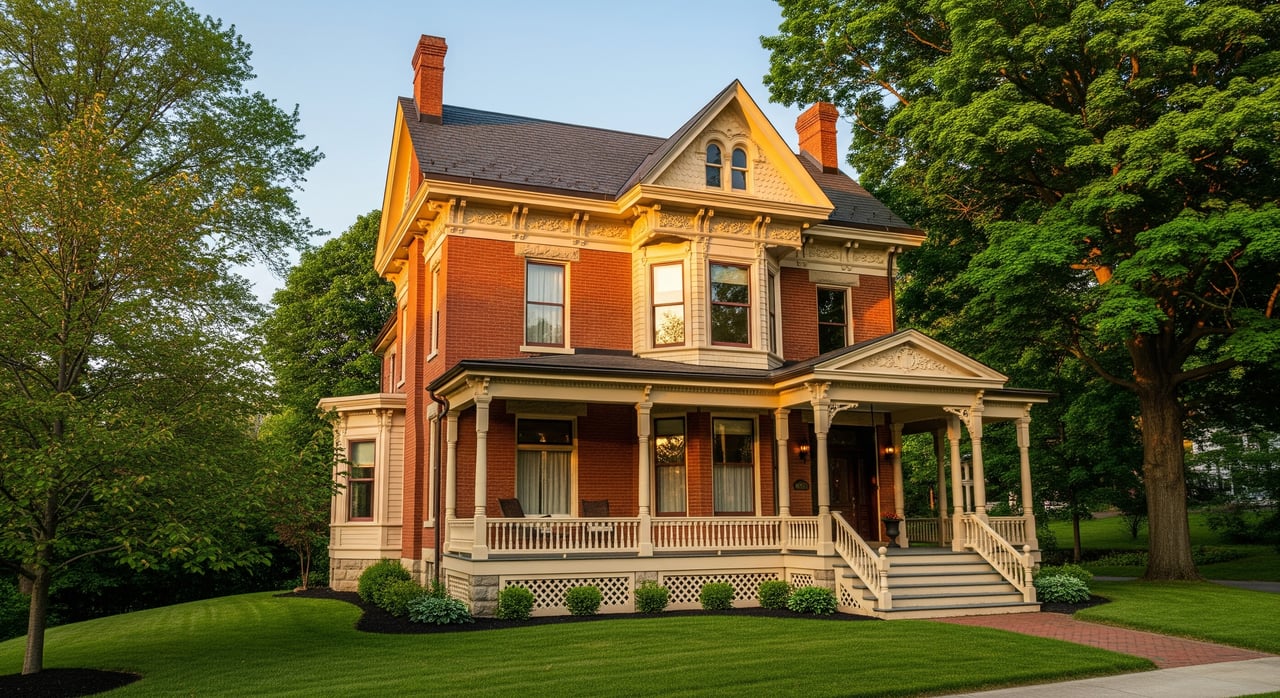
Sewickley Historic Home Buying: What to Expect
January 15, 2026
January 15, 2026
Thinking about a porch-front Victorian or a grand estate in Sewickley? You love the character, but you also want clarity on rules, costs, and timelines. This guide walks you through designations, inspections, approvals, financing, and a practical checklist so you can buy with confidence. Let’s dive in.
Buying in Sewickley Borough is not the same as buying in Sewickley Heights. Each municipality has its own zoning, permitting, and preservation procedures, so you need to verify requirements for the exact address. Start with the borough offices for the municipality where the property sits.
Use county maps to confirm boundaries and overlays. The Allegheny County property and GIS resources can help you check parcels, potential floodplain overlays, and district limits. You can also contact Sewickley Borough and Sewickley Heights Borough for current ordinances and application forms.
A listing in the National Register of Historic Places is primarily honorary. It recognizes a property’s significance and can unlock certain incentives for income-producing uses, but it usually does not restrict a private owner’s changes unless federal permits or funding are involved. You can verify status using the National Park Service National Register resources.
Local historic designation or a local historic district is different. Local designation is created by municipal ordinance and can require approval for exterior changes that are visible from the street. This is the level where you may need a formal review before replacing windows, adding a porch, or building an addition.
Expect to evaluate stone or masonry foundations for settlement, cracks, and moisture. Roofs and masonry chimneys often need significant repair or replacement, and flashing or gutter updates are common to protect walls and foundations. Porches and exterior woodwork can show rot in framing, columns, and trim.
Historic brick and stone require compatible mortar, often lime-based. Using hard Portland cement can trap moisture and damage historic masonry. Review the Secretary of the Interior’s Standards for Rehabilitation for best-practice guidance on materials and methods.
Original wood sash windows are common. You can often repair sash, glazing, cords, and weights, then add storm windows to boost efficiency while preserving character. Full replacement may be possible, but it can be more costly and may require local review if the home is subject to historic oversight.
Older homes may have knob-and-tube wiring, undersized electrical service, or galvanized plumbing. HVAC and insulation upgrades usually require planning to avoid damaging historic fabric. Lead paint and asbestos are possible in older materials, so consider testing and work with certified abatement contractors when needed.
Moisture management is critical in our climate. Confirm grading, gutters, and downspouts, and consider foundation drainage where needed. Many properties are near the Ohio River or creeks. Check FEMA maps for insurance and lending requirements using the FEMA Flood Map Service Center.
If the property is in a local historic district or is locally designated, visible exterior changes usually require prior approval. Examples include front-facing window replacements, new additions, porch alterations, siding or masonry changes, new fencing, or demolition. In-kind repairs and routine maintenance may be exempt, but confirm with the municipality in writing.
Simple approvals can be issued in weeks, while major projects may take a few months. Expect application fees and permit costs. Avoid starting visible exterior work without approval, since unpermitted changes can trigger enforcement and costly restoration.
You can pair a conventional mortgage with cash, or you can roll purchases and upgrades into one loan. Three common products to explore with an experienced lender are the FHA 203(k) Rehabilitation Mortgage, Fannie Mae HomeStyle Renovation, and Freddie Mac CHOICERenovation. Availability and qualifying rules change, so work with lenders who regularly close renovation mortgages.
Federal and state historic tax credits usually target income-producing properties rather than owner-occupied homes. For current Pennsylvania programs and contacts, check the state historic preservation office. Also factor insurance and maintenance costs for older systems, unique details, and potential flood zones.
Include a contingency of about 10–30 percent of your renovation budget, depending on scope and uncertainty. Prioritize structure, moisture control, and the building envelope before cosmetic upgrades.
Allow extra time for municipal review and public meetings if you plan visible exterior changes. Schedule specialist inspections early so you can firm up scope, budgets, and contract terms before closing.
Buying a historic home should feel exciting, not overwhelming. Our team brings neighborhood-level knowledge of Sewickley and Sewickley Heights, along with the technical expertise to coordinate inspections, navigate approvals, and line up renovation-friendly financing. We keep your process on track with clear timelines and proactive communication. Ready to explore historic homes with a plan you can trust? Connect with the LaRocca Real Estate Team for a focused buyer consultation.
Stay up to date on the latest real estate trends.
Whether you're looking to buy, sell, or just want to chat about the exciting world of Pennsylvania real estate, let's start a conversation. Reach out to us today, and let's connect to explore the possibilities.