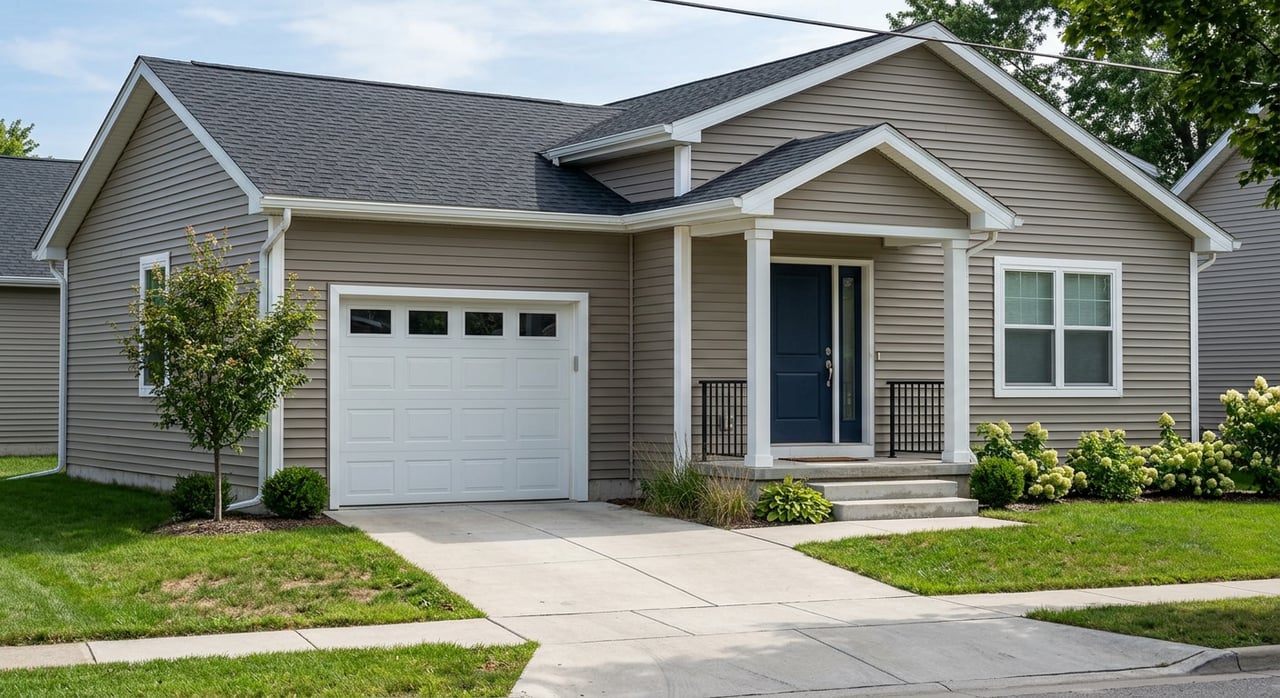
Deciding on Cranberry New Construction vs Resale Homes
March 24, 2026
March 24, 2026
You have options in Cranberry. Maybe you love the idea of a brand-new home with modern systems. Or maybe you want a mature neighborhood with established trees and quicker move-in. Deciding between new construction and a resale can feel like two different languages. In this guide, you’ll compare real costs, timelines, financing, inspections, and everyday living in Cranberry so you can choose with confidence. Let’s dive in.
Cranberry is one of the Pittsburgh area’s higher-priced suburbs with a healthy mix of new and established neighborhoods. Recent snapshots show a typical home value near $457,145 based on local tracking, while median list prices have hovered around the mid $400,000s with inventory that moves at a steady clip. Time on market has been measured in weeks rather than months, which supports buyers who need to move on a practical timeline. For the most accurate, street-by-street read, we pull current West Penn MLS data in your consultation.
You will find active subdivisions with a range of products and price points. The U.S. Department of Housing and Urban Development’s Pittsburgh market analysis notes Cranberry communities like Laurel Pointe, planned for about 157 homes at buildout, along with other single-family projects in the area. Some Cranberry new-home offerings start well into the upper price brackets, with select communities beginning above the $700,000 range for single-family homes. You can review examples and context in the HUD analysis of the region’s new-home pipeline and pricing in the Pittsburgh Comprehensive Housing Market Analysis.
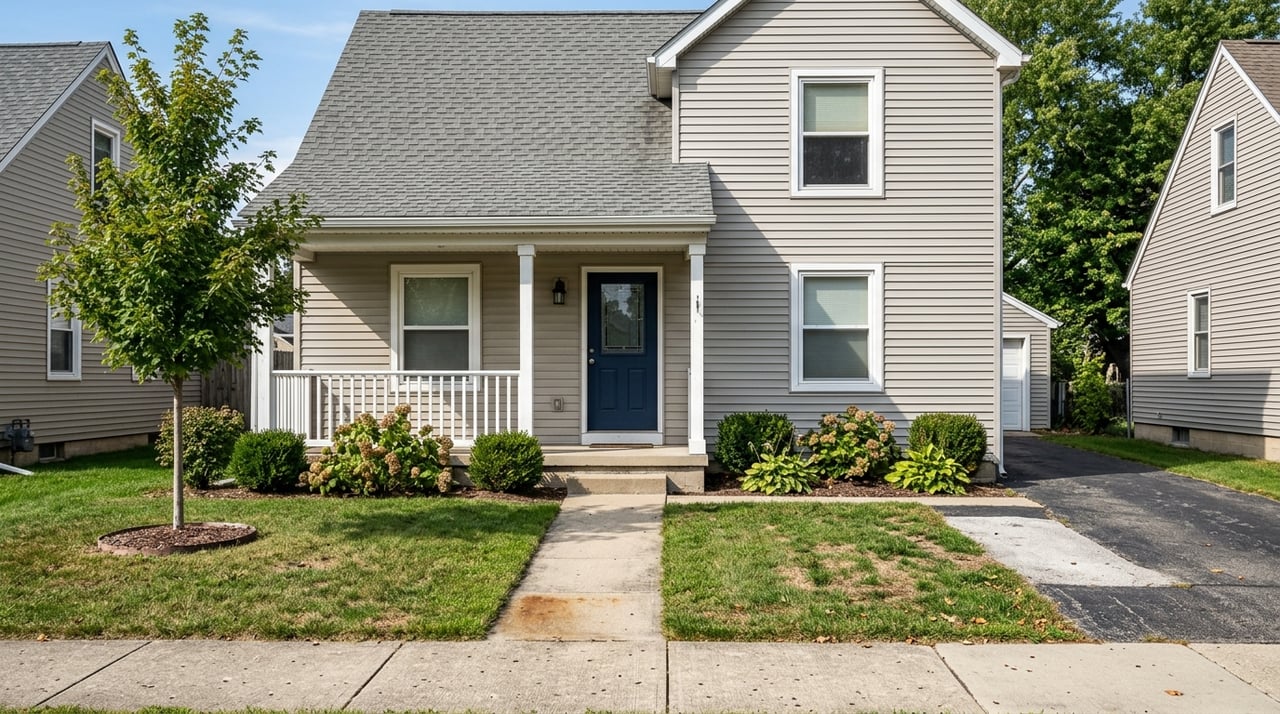
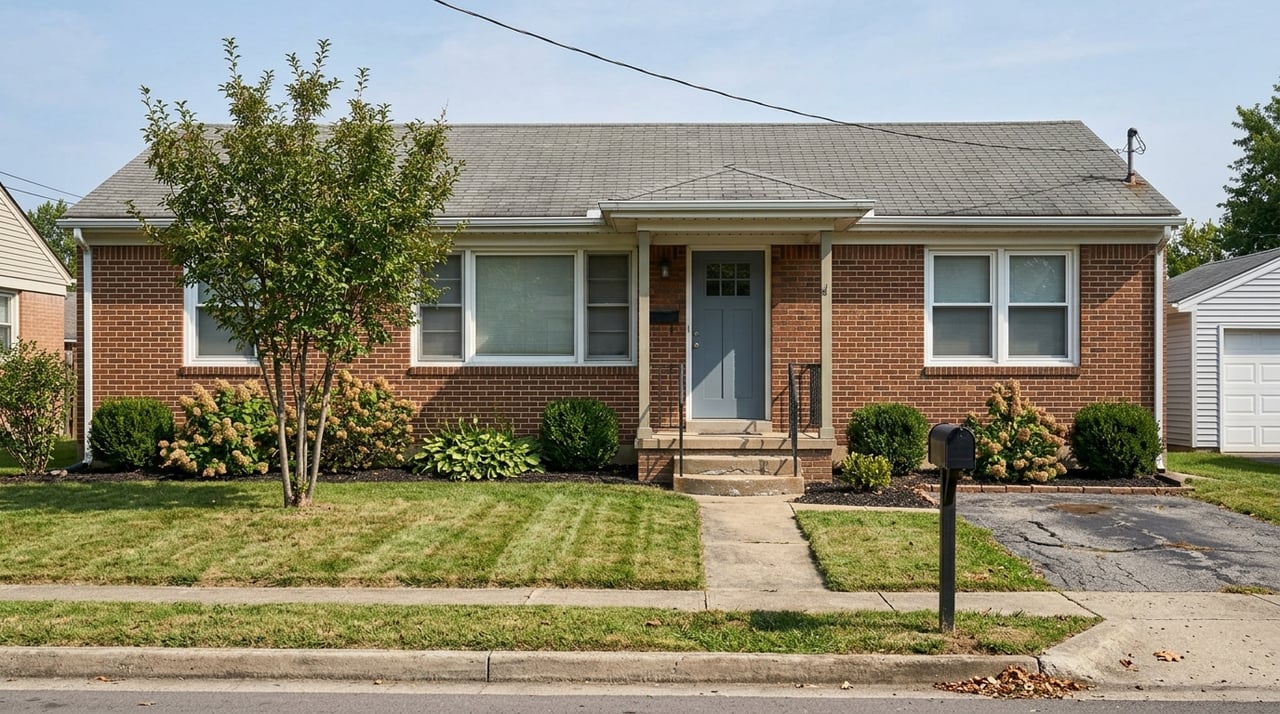
If you compare a new build with a renovated resale of similar size and location, put the upgrade budget into your math. New offers customization and a fresh start. Resale may deliver more square footage or lot size at a lower initial price, with room in your budget for targeted renovations.
The takeaway: compare the new-home premium plus upgrades against the cost to update a well-located resale. Put actual numbers to your decision instead of assumptions.
Production single-family homes often take about 6 to 8 months to complete once construction begins, and custom or highly tailored builds can stretch 9 to 18 months. Weather, permitting, inspections, supply chains, and labor can impact schedules, so build in a buffer. You can review national build-time guidance that reflects Census and industry data in this consumer-friendly overview of typical build durations.
If you need to be in your home this season, a resale can usually close in 30 to 60 days after an accepted offer, depending on financing and inspections. Recent local tracking shows offers moving to pending in roughly a month. Quick-move-in new homes are sometimes available, but true lot-to-build contracts require more time.
New construction often uses a construction loan or a one-time-close construction-to-permanent loan. These products fund the build in stages, then convert to a standard mortgage when you receive the keys. Pay attention to draw schedules, interest during construction, and how taxes and insurance escrows are handled. For an overview of how these loans work, see this primer on construction and one-time-close options.
A resale purchase usually follows a single closing with a conventional, FHA, VA, or jumbo loan, which can be faster and simpler than a construction product. If you are selling a current home, coordinate timing to avoid double moves or short-term rentals. Bridge strategies vary by lender and market conditions.
Reputable builders typically allow staged check-ins, such as a pre-drywall review and a final walk-through, with a written punch list before closing. Make sure your right to those inspections and the timeline for corrections are in the contract. Many builders also offer a defined process for post-closing service. Keep every document about inclusions, finishes, and change orders in one place so you can verify items at closing.
Most new homes come with a structured warranty, commonly called a 1-2-10 format. That means one year for workmanship and materials, two years for major systems, and ten years with limited structural coverage. Always request the full warranty document and ask whether it is backed by a third-party insurer or self-insured by the builder. Learn more about common structures and coverage expectations in this builder warranty guide.
With resales, you will rely on a professional home inspection and the seller’s disclosures. Older homes can include deferred maintenance or past work that may not match today’s codes. Budget for inspection findings and price your offer with room for repairs or updates.
Cranberry residents report a mean travel time to work of about 28.3 minutes based on recent U.S. Census estimates. Actual time varies by employer location, shift, and traffic, but this offers a useful baseline for planning. You can see the township’s summary in Census QuickFacts.
Access is a major advantage here. Cranberry connects directly to I‑79, the Pennsylvania Turnpike, US‑19, and PA‑228. Most residents commute by car, and traffic volume reflects that. These corridors also make airport and regional trips straightforward. For a concise overview of routes and local context, see the township entry on Cranberry’s location and transportation links.
Much of Cranberry is served by the Seneca Valley School District. If schools are part of your decision, review district resources and state education data to understand programs, boundaries, and enrollment processes. Lifestyle is a strong draw in Cranberry as well, with a network of parks and established retail corridors. The township’s recent budget actions included funding for recreation improvements, underscoring ongoing investment in amenities. You can read about municipal updates and priorities in this local budget report.
Use this one-page checklist to compare your options:
Choose new construction if you value customization, lower near-term maintenance, and warranties, and you have a flexible timeline and budget that accounts for upgrades and potential HOA dues. Choose a resale if you want established streetscapes, earlier occupancy, and a lower upfront price with room to update on your schedule. Many Cranberry buyers fall in love with a move-in-ready resale or a quick-move-in new home because it blends speed with modern features.
If you want a data-backed comparison tailored to your goals, we can help you price both paths in the same neighborhoods, estimate taxes and carrying costs, and plan the right timeline. Connect with the LaRocca Real Estate Team for a no-pressure consultation or to Get Your Complimentary Home Valuation.
Stay up to date on the latest real estate trends.
Whether you're looking to buy, sell, or just want to chat about the exciting world of Pennsylvania real estate, let's start a conversation. Reach out to us today, and let's connect to explore the possibilities.