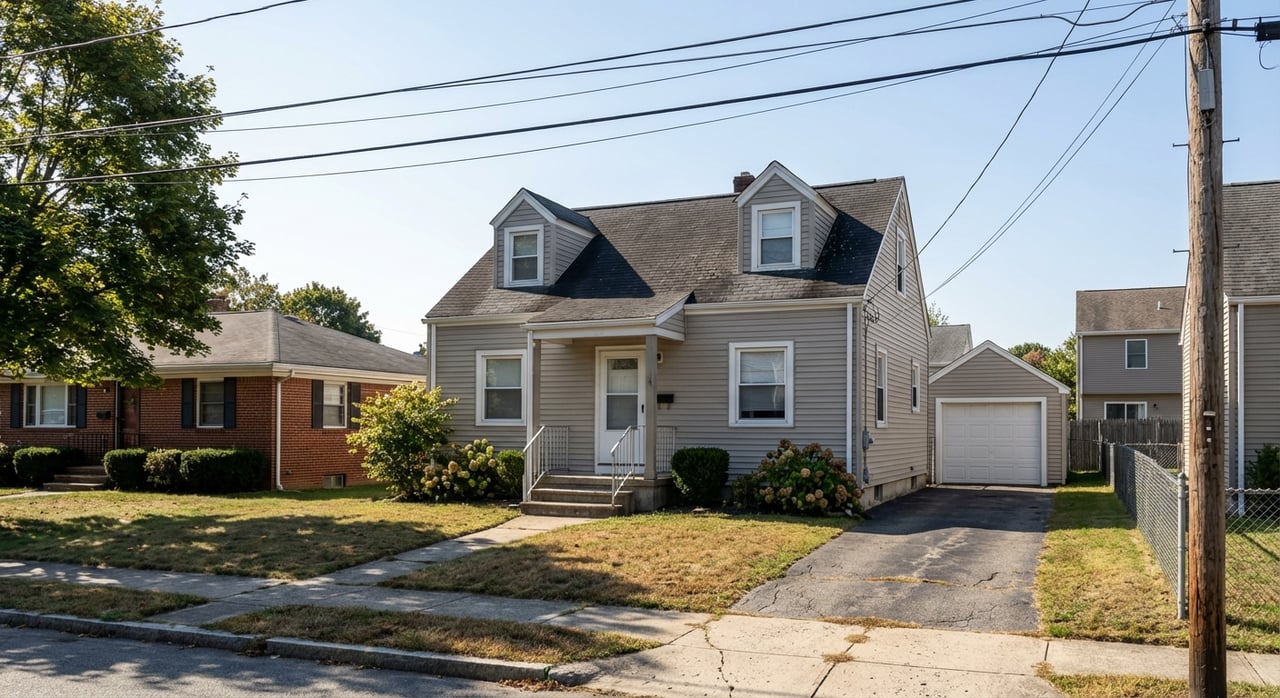
Moon Township Home Buying Guide for Pittsburgh Commuters
February 19, 2026
February 19, 2026
If your work pulls you into Pittsburgh but you want a calmer suburban base, Moon Township deserves a close look. You get practical highway access, a recognized local school district, and a mix of older homes and newer builds that fit many budgets. In this guide you’ll learn how long the commute really feels, which neighborhoods to consider, where parks and schools sit, and what to expect on price and taxes. Let’s dive in.
Moon Township sits on the western edge of the metro, about 12 to 16 miles from downtown Pittsburgh depending on your route and starting point. That distance, paired with direct access to the Parkway West, is why Moon functions well for city commuters. According to the American Community Survey, residents post a mean travel time to work of about 28.2 minutes, which aligns with regional suburban norms and gives you a realistic baseline to start planning. You can review that commute-time stat on the Census Reporter profile for Moon Township.
For most downtown commutes you’ll take I-376, commonly called the Parkway West. It connects Moon, the airport corridor, and downtown Pittsburgh in a single spine, and it is the main reason the airport area functions as a commuter hub. If you work in the North Shore or Oakland, you may branch to surface streets or connect via I-79, but I-376 is still the backbone. Learn more about the route’s layout and interchanges on the Interstate 376 page by AARoads.
Public transit exists, but it is more limited than car travel for many household schedules. Pittsburgh Regional Transit’s West Busway and the 28X “Airport Flyer” create useful connections from the airport corridor toward downtown. Moon’s University Boulevard area is a known access point for regional service and park-and-ride patterns. Read more about the West Busway and how it feeds downtown trips.
The ACS average gives you a starting point, but your exact time will depend on your work location and the hour. Before you buy, do two live tests on your exact route: one AM peak and one PM peak. If you hope to use the bus, test a park-and-ride plus the 28X at your usual hours. You can use the ACS mean travel time for Moon Township as your benchmark, then see how your experience compares.
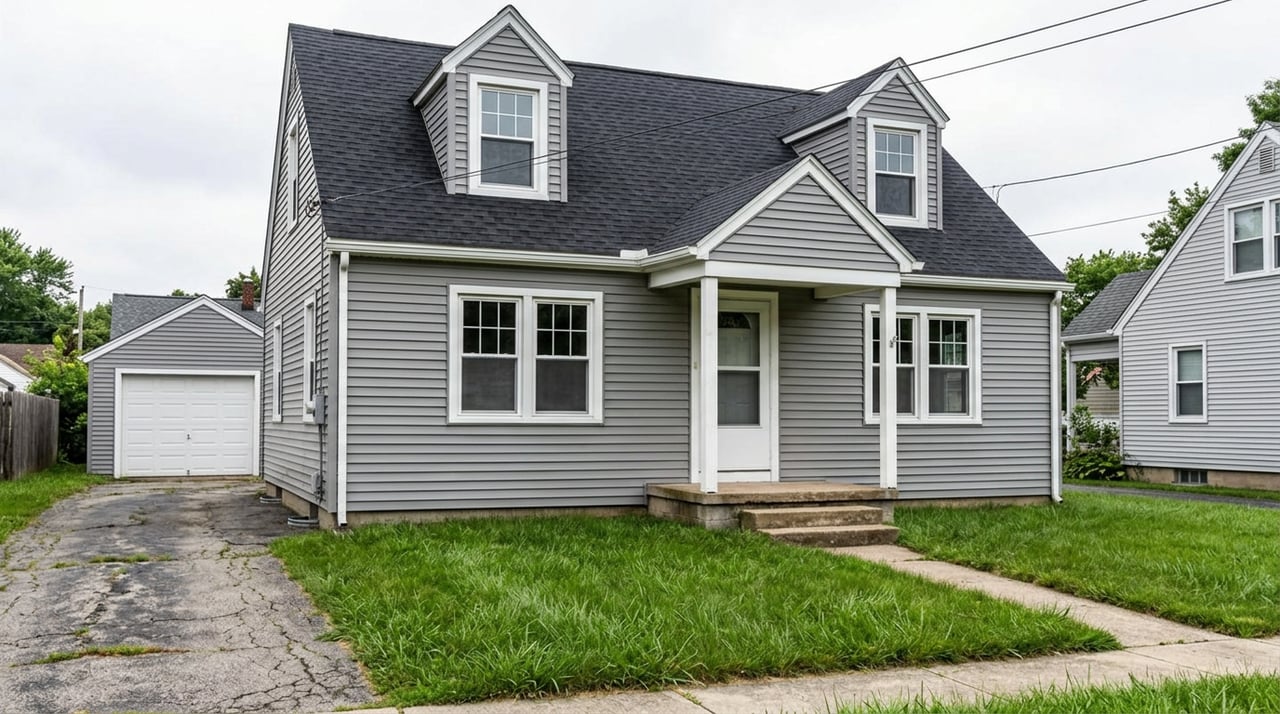
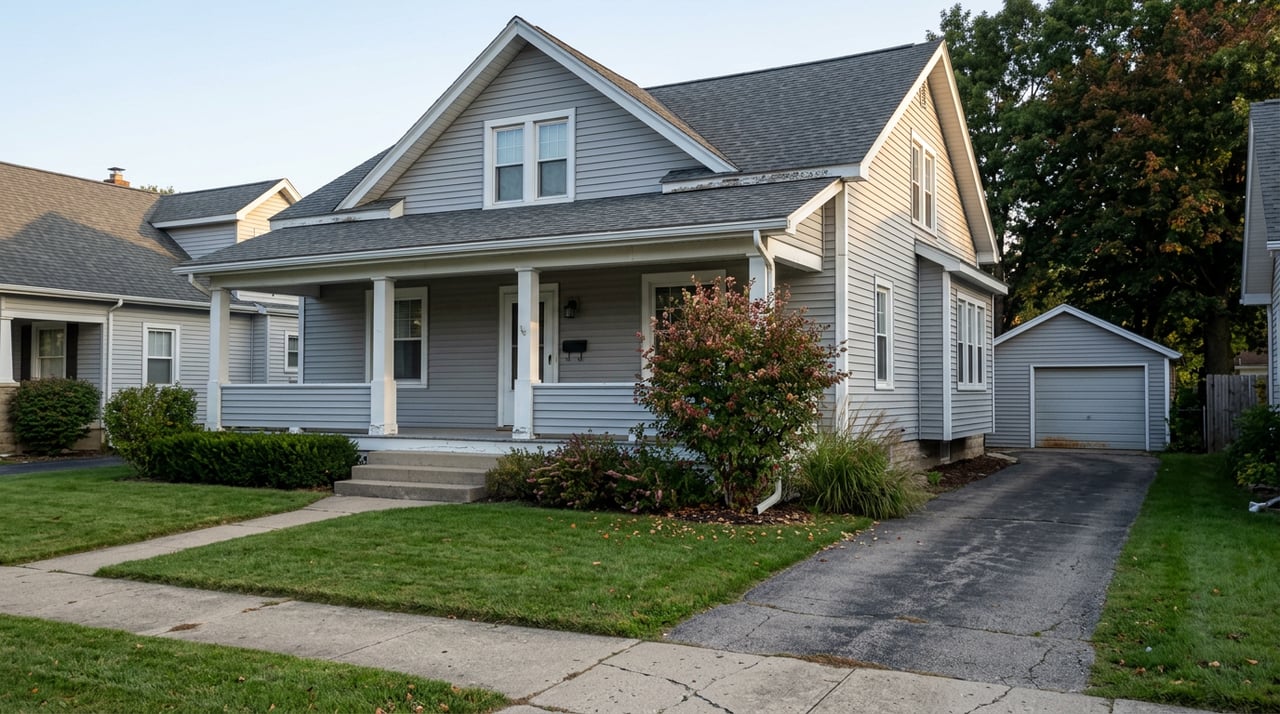
Mooncrest began as a World War II–era planned community, and it remains one of Moon’s most distinctive older neighborhoods. Homes here are typically smaller and often more affordable relative to newer subdivisions, which can appeal if you value price and are open to maintenance or updates. For historical context, see the Mooncrest Historic District overview.
Robert Morris University sits on a 230-acre campus in Moon and shapes nearby housing dynamics. Around University Boulevard you’ll find denser retail, a range of rentals, and a blend of single-family homes, townhomes, and apartments. Investor activity can be more visible near the campus and main corridors. That can be a plus if you like having rental options or plan to invest, or a trade-off if you prefer lower turnover and less curbside parking. View RMU’s Moon Township campus location to understand the area’s footprint.
If you want modern floor plans and lower maintenance, look at newer townhome and single-family subdivisions. Communities like Elk Ridge and other recent builder projects illustrate the product: 2 to 4 bedrooms, open layouts, and community amenities that often price above older stock. New builds usually mean higher upfront cost in exchange for predictability and fewer near-term repairs.
Along ridgelines and near the Ohio River you’ll find a wider spread of single-family homes, including some larger or more private parcels. Values vary street to street based on lot size, views, and updates. Nearby parks and trails add to day-to-day livability, including Moon Park, Robin Hill Park, and access to the Montour Trail. Explore Moon Parks and Recreation to see local amenities and programming.
Moon Area School District serves most of Moon Township from K–12, with multiple elementary schools, a middle school, and a high school. District enrollment typically ranges between roughly 3,700 and 4,100 students depending on the year. You can confirm current schools and contacts on the district’s site. Consumer school-rating platforms, such as Niche, give the district a high overall grade. When you are narrowing down homes, verify current attendance boundaries and review official state data to match your household’s needs.
Moon Park, Robin Hill Park, and local access to the Montour Trail provide year-round recreation. Community programs and events run through Moon Parks and Recreation and are a frequent draw for families who value outdoor time and neighborhood activities. Browse parks and programming to map your weekend routine.
For longer-term context, the ACS reports a median value for owner-occupied homes in Moon Township around $293,000. That is a baseline for historical perspective rather than a live listing number. Recent vendor snapshots in late 2024 and 2025 have shown median prices in roughly the mid-$300,000s, with some data sources noting median days on market around seven to eight weeks and an example price per square foot near $176. These snapshots vary by dataset and date, so always check the month and methodology and pair it with current local MLS data.
Price-wise, you will typically see:
Label the exact source and date when you compare numbers, since medians can shift month to month and by neighborhood pocket.
Property taxes in Moon are billed by multiple entities, and municipal and school taxes are billed separately. To estimate annual taxes, use a simple approach: assessed value multiplied by the current millage rate. If the home will be your primary residence, review homestead and farmstead (Act 50) eligibility and deadlines. For current millage rates, discount and penalty windows, and the homestead application process, go straight to the Moon Township Tax Office.
Commute vs. price: Moon trades direct Parkway West access for pricing that is often lower than some premium western suburbs and higher than certain inner-ring areas. Use both the ACS baseline and your live drive tests to gauge the value of your time.
Schools vs. neighborhood type: The Moon Area School District is a frequent reason families choose the area. If elementary placement matters, confirm current boundaries and any district programs before you bid.
Airport proximity: Living close to Pittsburgh International Airport is convenient for frequent flyers and airport workers. On showings, step outside at different times to assess traffic patterns and any noise for yourself. Learn more about the airport’s regional role.
New construction vs. older stock: Newer subdivisions offer modern layouts and warranties. Older neighborhoods can help you stretch your budget. Decide whether you want lower maintenance now or a value-add project over time.
Resale tempo: Market speed and inventory vary throughout the year. Track current days on market and price trends by month, then tailor your offer and timing accordingly.
Airport context: Read about Pittsburgh International Airport’s location and role.
Ready to see if Moon fits your commute and budget? Let’s build a plan around your timeline, routes, and must-haves. Connect with the LaRocca Real Estate Team for local guidance, on-the-ground pricing, and a smooth path from search to closing. Get Your Complimentary Home Valuation.
Stay up to date on the latest real estate trends.
Whether you're looking to buy, sell, or just want to chat about the exciting world of Pennsylvania real estate, let's start a conversation. Reach out to us today, and let's connect to explore the possibilities.