Shopping for a home in Sewickley and wondering which style fits you best? You have choices that range from Victorian-era charm to newer construction with modern comforts. Each style comes with a typical layout, lot type, and maintenance profile. This guide breaks it all down so you can match your lifestyle and budget to the right Sewickley or Sewickley Heights home. Let’s dive in.
Sewickley at a glance
Sewickley borough sits along the Ohio River and offers a small, walkable village feel with shops, restaurants, and services. Sewickley Heights sits uphill and feels more wooded and estate-like with larger, often sloped lots. You will see everything from compact historic parcels near the borough’s center to expansive, private properties in the Heights.
Many buyers choose the area for architectural character and convenience to Pittsburgh job centers. The community is served by Quaker Valley School District. Because many homes predate cars and modern building systems, plan to verify parking options, mechanical updates, and any historic preservation considerations during your search.
Common home styles in Sewickley
Victorian-era charm
These late 1800s and early 1900s homes define many of Sewickley’s historic streets.
- Exterior cues: Asymmetry, steep roofs, decorative gables, wraparound porches, towers or turrets, ornate trim, stained glass.
- Typical layout: Formal foyer, separate parlors and dining rooms, tall ceilings, narrow halls, small original kitchens that are often modernized, multiple smaller bedrooms on upper floors.
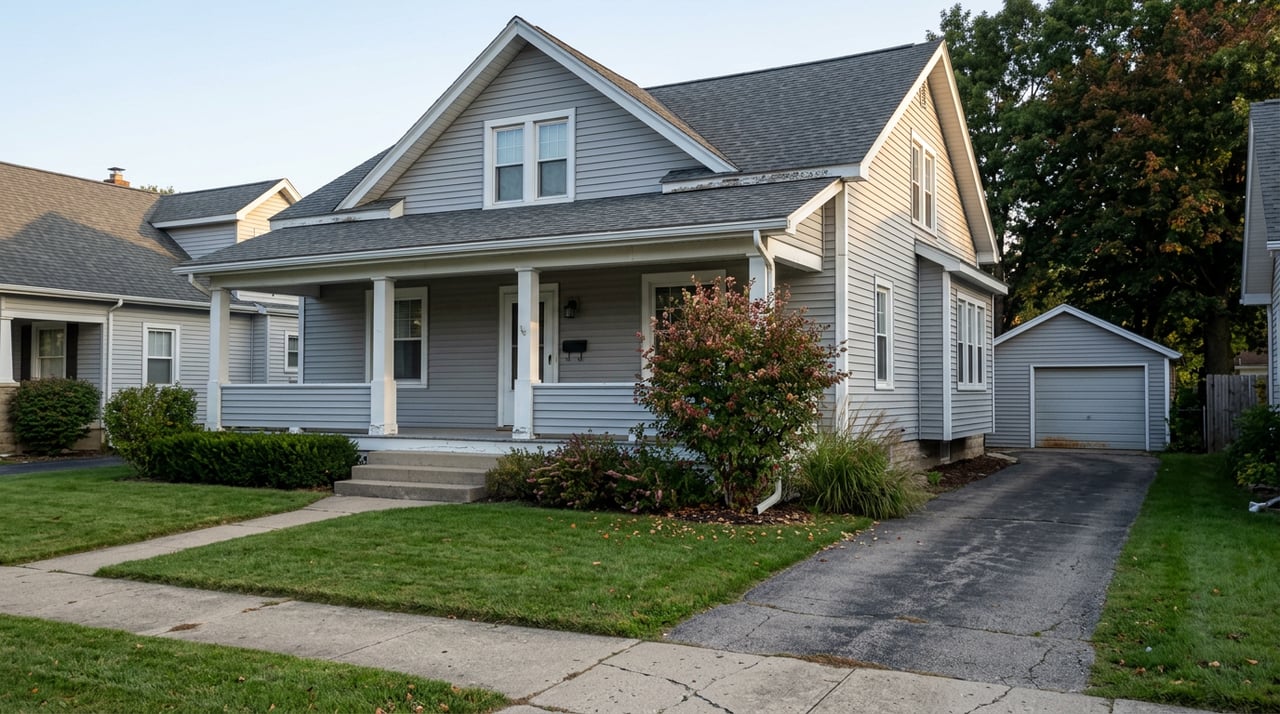
- Lot and setting: Town lots near downtown or the river with mature street trees and welcoming front porches.
- Maintenance watchouts: Plaster walls, potential lead paint in pre-1978 finishes, older wiring such as knob and tube, complex rooflines and flashing, drafty single-pane windows, delicate millwork that requires skilled restoration.
- Buyer fit: You value high character and are ready to invest in modernization that respects original details.
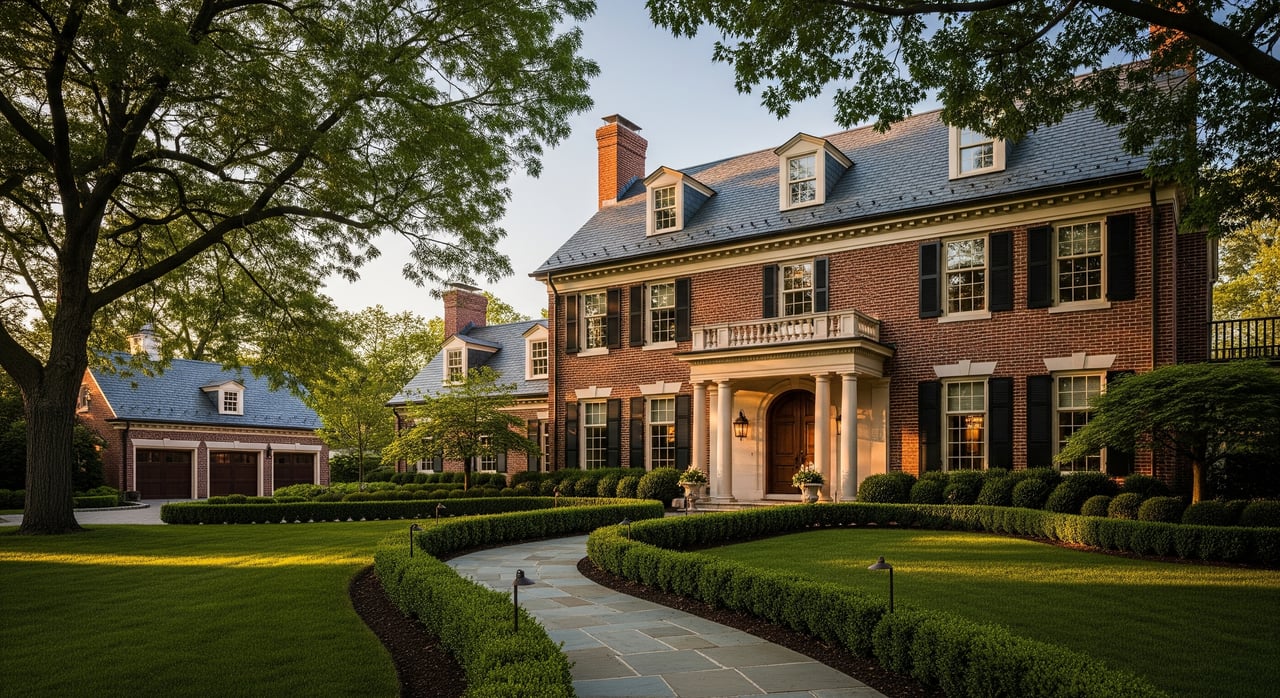
Colonial Revival classics
A familiar, balanced look that spans late 1800s through mid-20th century.
- Exterior cues: Symmetrical façades, multi-pane double-hung windows, classical entries, brick or wood siding.
- Typical layout: Center-hall plan with formal living and dining rooms and bedrooms upstairs. Kitchens are common upgrade targets.
- Lot and setting: Found across older neighborhoods with yard sizes that range from modest to generous.
- Maintenance watchouts: Confirm ages of electrical, plumbing, and HVAC. Older brick may need tuckpointing or foundation repointing.
- Buyer fit: You prefer a traditional look and a regular floor plan that adapts well to modern living.
Craftsman and bungalows
Early 1900s to 1930s homes with warm woodwork and inviting porches.
- Exterior cues: Low-pitched gables, wide eaves, exposed rafters, tapered porch columns, natural materials.
- Typical layout: More open than Victorian but still defined rooms. Expect built-ins and rich wood trim. Usually one to two stories, with finished attic or basement potential.
- Lot and setting: Walkable streets with modest yards and mature trees.
- Maintenance watchouts: Original windows and woodwork that buyers often restore, aging plumbing and wiring, porch and eave maintenance.
- Buyer fit: You want character and craftsmanship with a layout that modernizes without losing its soul.
American Foursquare practicality
A simple, boxy form popular in the early 1900s to 1930s.
- Exterior cues: Square two-story massing, hipped roof with front dormer, full-width porch.
- Typical layout: Four rooms per floor and good ceiling heights.
- Lot and setting: Often on similar streets as bungalows and other early 20th-century homes.
- Maintenance watchouts: Older mechanicals may need replacement, but the structure often supports straightforward renovations.
- Buyer fit: You like clean lines and an easy canvas for opening spaces or updating kitchens and baths.
Tudor Revival character
Distinctive 1920s to 1940s homes that stand out for their storybook exteriors.
- Exterior cues: Steep roofs, half-timbering, brick or stucco, tall narrow windows, arched doors.
- Typical layout: Cozy, compartmentalized rooms, often with multiple fireplaces.
- Lot and setting: Common in established neighborhoods with mature landscaping.
- Maintenance watchouts: Complex roofs are costlier to maintain. Stucco and half-timber details need experienced contractors.
- Buyer fit: You want a strongly characterful exterior and are comfortable modernizing interior spaces.
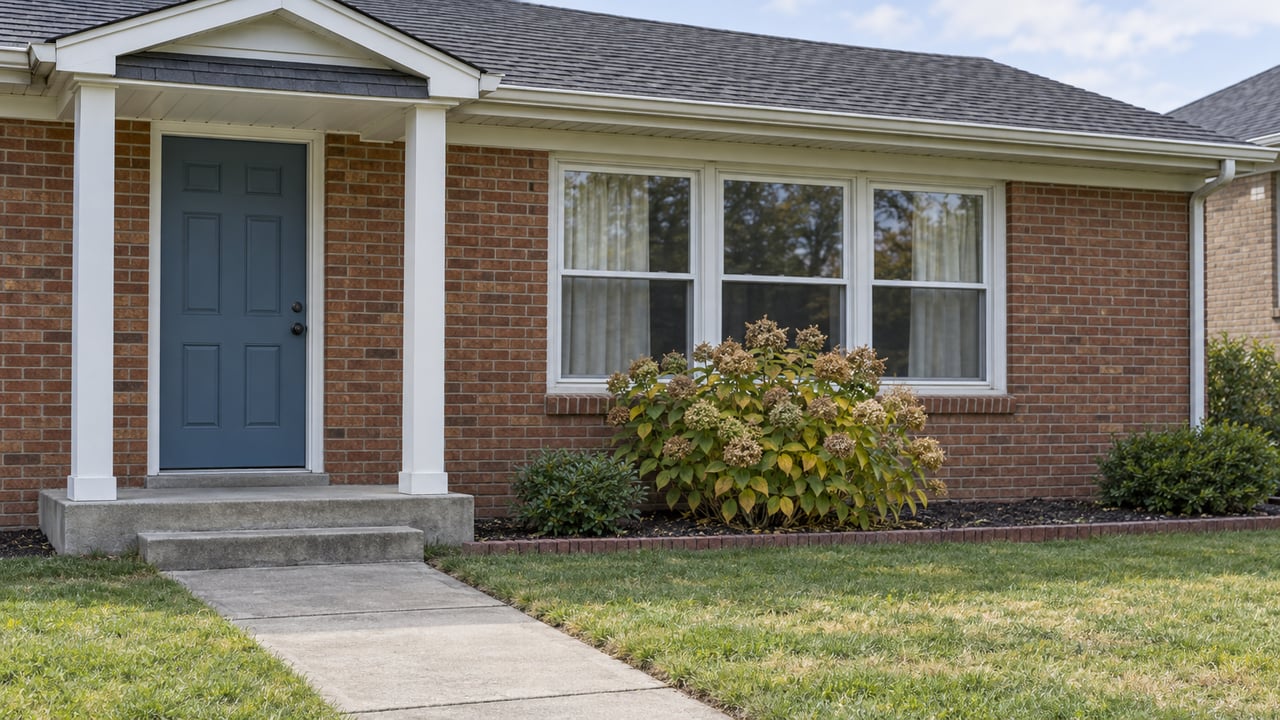
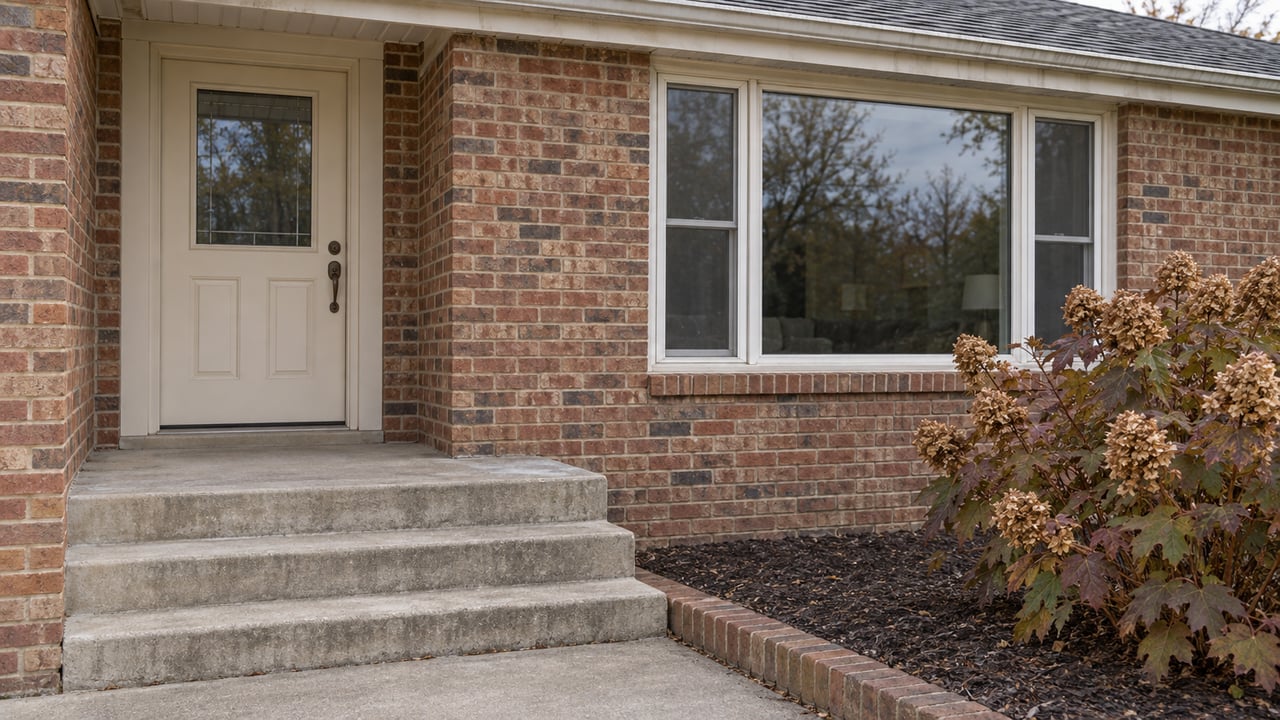
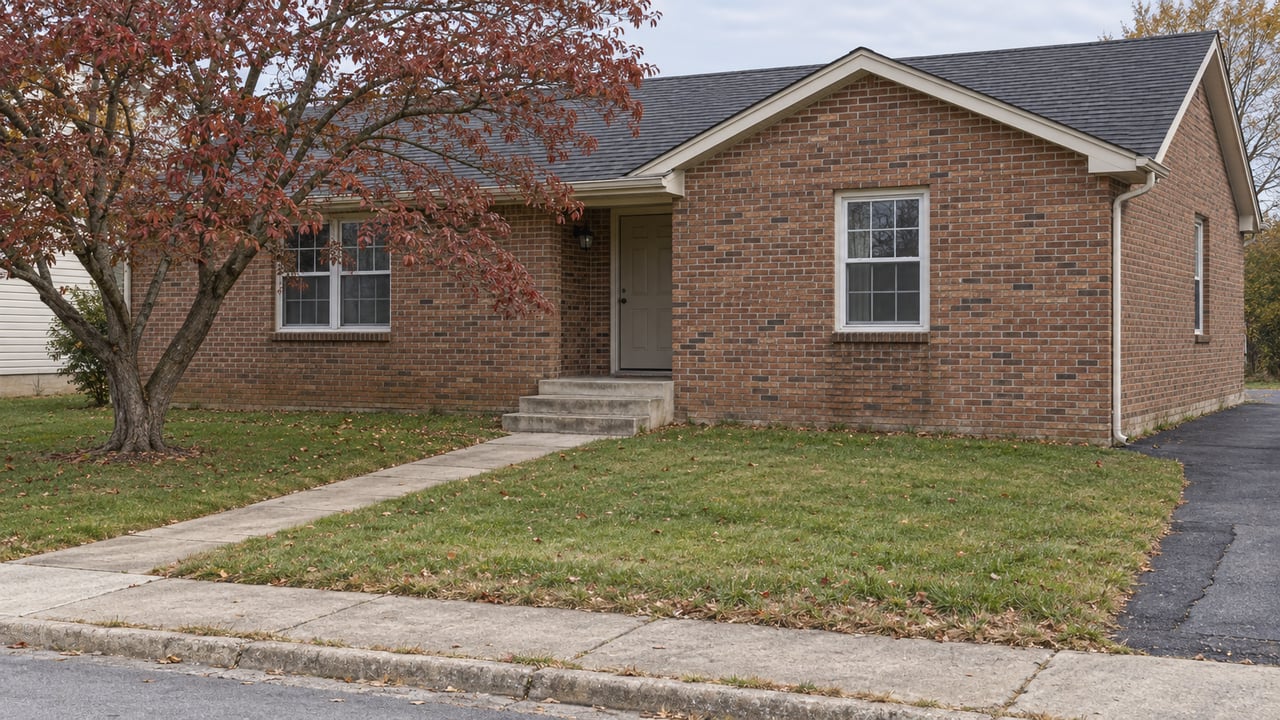
Mid-century and ranch homes
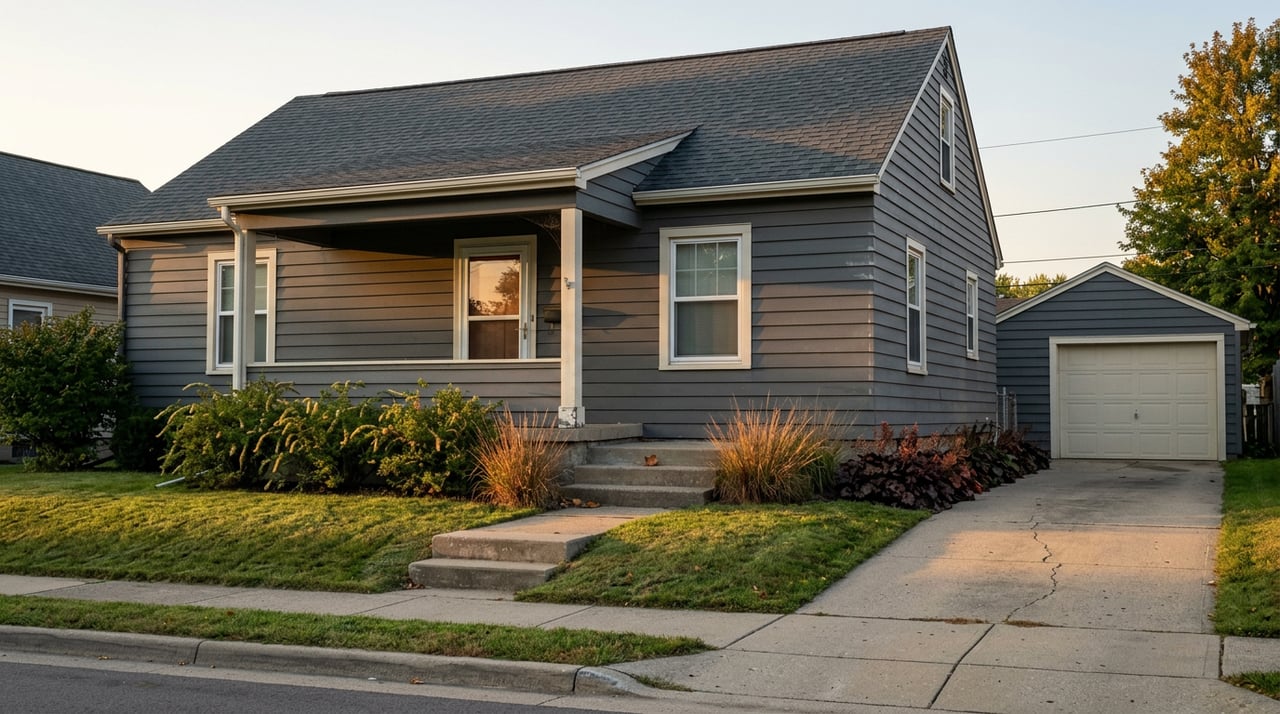
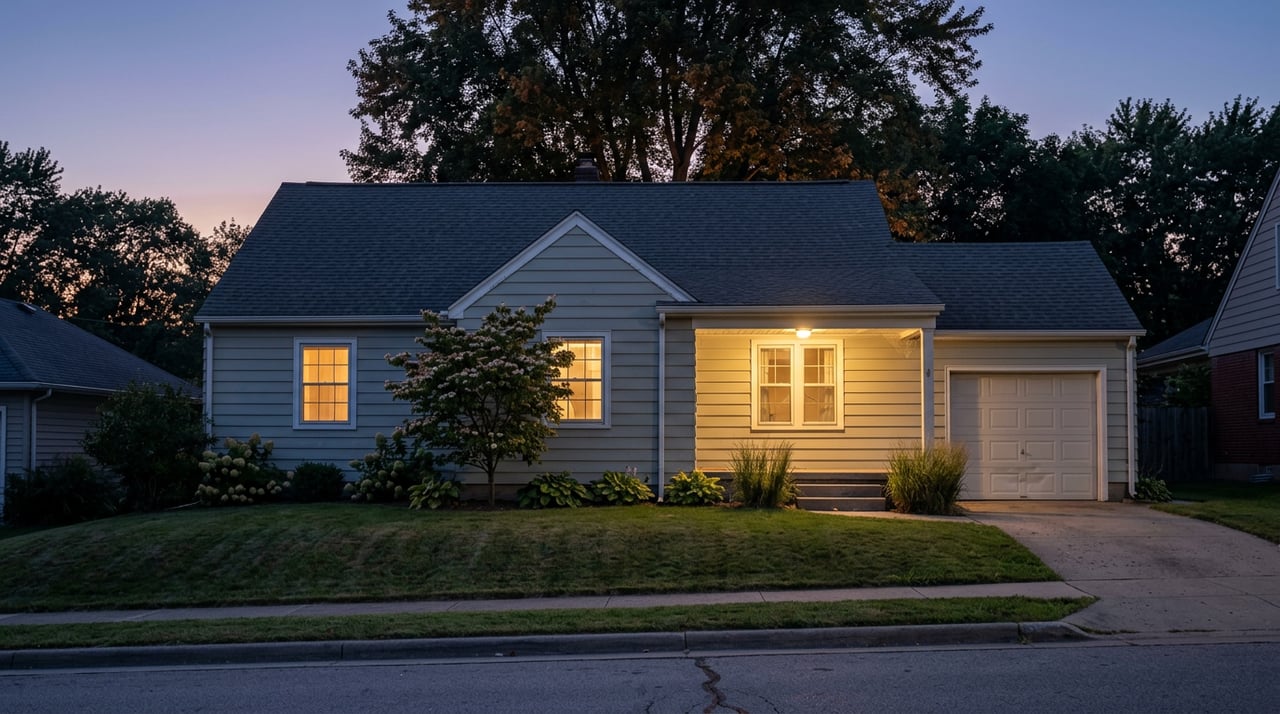
Single-level and split-entry options from the 1940s to 1960s and later.
- Exterior cues: Low profiles, large windows, attached garages.
- Typical layout: Single-level living with semi-open plans for the era. Sloped lots may include daylight basements.
- Lot and setting: Larger lots in suburban pockets with more privacy and setbacks.
- Maintenance watchouts: Aging low-slope roofs, original mechanicals, possible asbestos-containing materials in some finishes, older single-pane windows.
- Buyer fit: You prioritize single-level living, easier accessibility, and room for future updates or expansions.
Contemporary and newer construction
From 1990s infill to recent custom builds, especially in Sewickley Heights.
- Exterior cues: Vary widely, from modern lines to classic-inspired exteriors, often with stone or brick accents and attached garages.
- Typical layout: Open floor plans, multiple en-suites, mudrooms, larger kitchens, and energy-minded features.
- Lot and setting: Smaller infill lots in the borough. Larger, wooded parcels in Sewickley Heights.
- Maintenance watchouts: Verify builder quality, warranties, and site drainage. Newer hillside cuts can require erosion control.
- Buyer fit: You want turn-key convenience and fewer near-term projects.
Lot and location factors
Borough vs. Heights
In Sewickley borough, you will find smaller, walkable lots close to downtown. Homes may be closer together with modest yards and front-porch living. In Sewickley Heights, expect larger, wooded parcels and sloped terrain that offer privacy and space for custom homes.
Topography and drainage
Hillside sites in the Heights can require engineered driveways, retaining walls, and stormwater planning. Downtown flats have less slope but different stormwater considerations. Always evaluate grading, gutters, and downspout management that move water away from the foundation.
Floodplain awareness
Properties near the Ohio River or in low-lying areas can be in designated FEMA flood zones. Confirm flood maps and insurance requirements during due diligence. Higher-elevation locations in Sewickley Heights typically see lower flood exposure, though localized drainage still matters.
Parking and garages
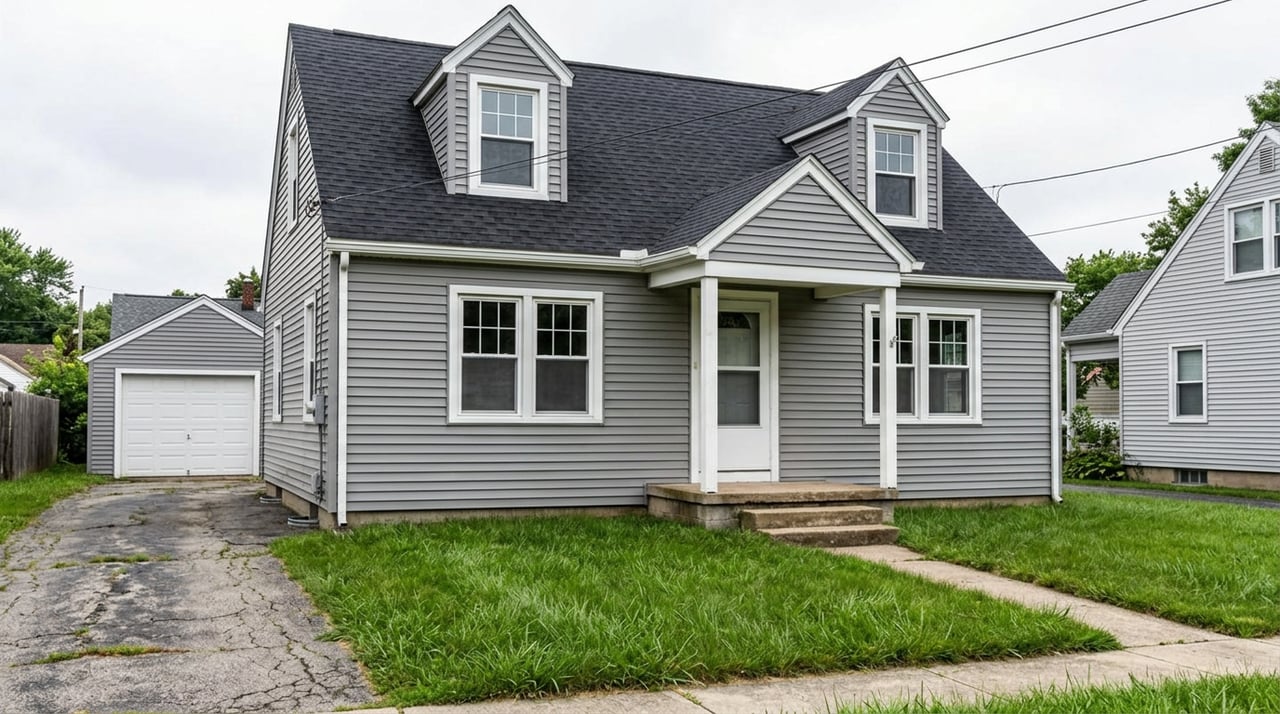
Many older homes were built before cars. You may see carriage houses, narrow driveways, or reliance on street parking. If you need a garage or expanded parking, check local setback rules and any historic-district guidelines before planning additions.
Schools and services
The area is served by Quaker Valley School District. Verify current school assignments and policies. Proximity to downtown amenities increases convenience for errands and daily routines.
Buyer checklist for Sewickley homes
Use this practical list to assess condition and plan upgrades with confidence.
Priority inspections and specialists
- Full home inspection that covers roof, foundation, drainage, HVAC, electrical, plumbing, insulation, and moisture.
- Structural engineer evaluation if you see settlement, significant cracks, or plan major additions.
- Chimney and fireplace inspection, including flue liners.
- Pest inspection for wood-destroying insects.
- Lead paint and asbestos surveys for pre-1978 homes.
- Sewer scope to confirm municipal connection and the condition of older laterals.
- Tree and landscape risk assessment for large trees, especially close to homes in Sewickley Heights.
Systems and components to verify
- Electrical: Look for knob and tube wiring, fused panels, and overall service capacity. Many buyers target 200-amp service when upgrading.
- Heating and cooling: Identify system type and age. Hot-water boilers and baseboards are common in older homes.
- Insulation and windows: Older homes often lack modern insulation and use single-pane windows. Expect higher energy use unless updated.
- Foundation and drainage: Stone and poured foundations are typical. Watch for efflorescence, moisture signs, and grading that slopes toward the home.
- Roof and flashing: Complex rooflines on Victorians and Tudors have more vulnerable flashing and valleys.
- Historic finishes: Plaster walls and ornate trim are valuable but cost more to repair correctly.
Renovation and modernization priorities
- Kitchen remodels and bath additions tend to add the most day-to-day value.
- Create storage by enlarging closets or adding a primary suite. Many turn-of-the-century homes need this reconfiguration.
- Upgrade electrical service and add central HVAC if absent.
- Improve comfort with attic insulation, air sealing, and window restoration or replacement.
- Plan for accessibility if aging in place is a priority, such as a main-level bedroom and bath.
Budgeting guidance
- Historic and character homes often cost more per square foot to renovate due to careful repair of plaster, trim, and masonry.
- Expect surprises behind walls. Build a contingency of 10 to 20 percent of your project budget.
- Obtain contractor estimates before finalizing offers if you plan significant renovations.
Match style to lifestyle
Prioritize your must-haves before you shop. Decide whether original millwork, stained glass, and wraparound porches are essential or if function and low maintenance matter more. If you prefer minimal projects, target homes with recent updates to the roof, HVAC, electrical, and kitchens.
For maximum character and larger renovation plans, Victorian and Tudor homes deliver standout architecture. For single-level living or future accessibility, ranch and mid-century options are strong. If you want larger lots and privacy, look to Sewickley Heights and remember to plan for driveway, tree care, and potential erosion control costs.
Quick questions to clarify your fit:
- Do you want preserved original details? If yes, plan for specialized restoration costs.
- Do you need a garage and off-street parking? Confirm space and local rules for additions.
- Are you comfortable with hillside driveways and winter maintenance in the Heights?
- Will you need flood insurance near the river? Confirm maps and premiums during due diligence.
Ready to see which Sewickley home style fits your life? Reach out for local guidance, on-the-ground context, and a game plan from search to closing. The LaRocca Real Estate Team combines neighborhood expertise with full-service support so you can buy with confidence.
FAQs
What are the main home styles in Sewickley and Sewickley Heights?
- Victorian-era, Colonial Revival, Craftsman and bungalows, American Foursquare, Tudor Revival, mid-century and ranch homes, plus contemporary and newer construction.
How do Sewickley borough lots differ from Sewickley Heights lots?
- Borough lots are smaller and walkable near downtown, while Heights parcels are larger, more wooded, and often sloped for added privacy.
What inspections are most important for older Sewickley homes?
- A full home inspection, sewer scope, chimney check, pest inspection, and lead or asbestos surveys for pre-1978 properties are common priorities.
Are some Sewickley homes in flood zones near the Ohio River?
- Yes. Some low-lying properties may be in FEMA flood zones. Confirm maps and insurance requirements during due diligence.
Which styles are easiest to modernize without losing character?
- Craftsman, American Foursquare, and many Colonial Revival homes adapt well thanks to simpler floor plans and durable materials.
What should I budget for renovations on a historic Sewickley home?
- Plan for higher per-square-foot costs, a 10 to 20 percent contingency, and potential system upgrades like electrical service and HVAC.